




Steel structures have recently trended in contemporary civil engineering because of their high strength-to-weight ratio, durability, and elasticity. More so as infrastructural development emphasizes efficiency, long spans-and complicated architectural requirements; however, it will still fit perfectly within such an economic solution. This paper discusses structural benefits and/performance characteristics/fabrication technologies/erection methods/sustainability aspects/application scenarios related to steel bridge construction projects. Backed by more than a century’s worth of engineered evolution toward its application worldwide within the bridge-building sector, where it ranks among both most dependable yet progressive materials, lies ample proof concerning suitability.
The Importance of Steel Structure for Bridge Engineering
The mechanical and constructional aspects of the feasibility of a steel structure for bridge applications are ideally balanced. Bridges can support huge dynamic loads with environmental conditions accompanied by a long-life durability requirement. As a structural material, only steel possesses and offers to the designer such high levels of tensile strength together with static/dynamic load-bearing capacities without any deformation taking place within the material itself. Present-day fabrication methods involve high-precision laser cutting plus automated welding, which ensures better control over dimensions as well as increased efficiency in modern constructions using steels preferred by bridge designers due to achievable longer spans compared with traditional concrete systems.
Key Characteristics of Steel Structure for Bridge Applications
High Strength and Mechanical Reliability
Steel is known for its exceptional mechanical properties, especially tensile and compressive strength. A steel structure for bridge systems allows long spans, heavy load-bearing capacity, with good resistance to vibration and dynamic load of vehicles, trains, and pedestrians on it. These make the construction of steel bridges suitable in high-traffic areas, heavy-duty industrial routes, and large river crossings.
Lightweight Structure Reduces Foundation Load
The strength per unit weight of steel is much higher than that of reinforced concrete. This allows a builder to complete the structural requirements with less mass, hence light construction. Foundation costs are reduced by light structures together with simplified geotechnical works, which make it possible to construct even in complex terrains such as mountainous areas or across water bodies.
Superior Ductility Against Natural Forces
Ductility is a critical factor in bridge design for areas prone to seismic activity, high winds, or changing soil conditions. The steel can undergo deformation without an abrupt failure and provides a safety margin where the structure absorbs and dissipates energy. A steel structure has better resilience and recoverability after events that reduce maintenance time while improving long-term serviceability.
Fabrication and Manufacturing Advantages
Precision Engineering and Factory Quality Control
Modern steel bridges benefit from controlled factory environments during fabrication. This ensures consistent quality, accurate cutting, stable welds, and efficient surface treatment. The ability to pre-assemble components in a factory improves safety and reduces construction time on site.
Flexibility in Design and Shape
Steel suits the erection of complicated and unusual structures. Be they cable-stayed, suspension, box girder, or truss bridges, steel permits engineers to develop their own geometries. The application of a steel structure for bridges can be used to merge with the landscape, enhance aesthetics, and meet particular engineering demands.
Efficient Connections and Welding Technology
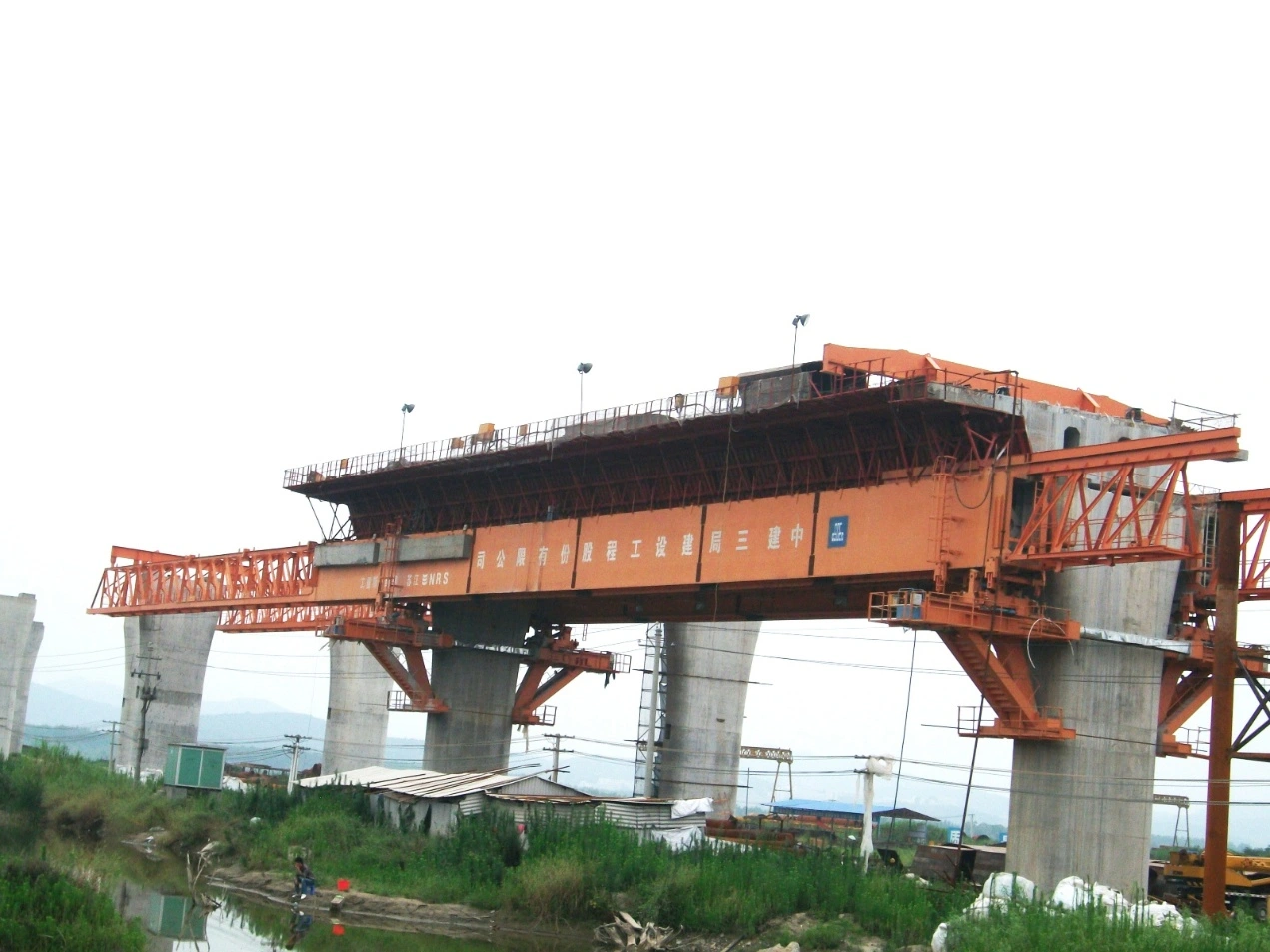
Advanced welding and bolting methods ensure strong and durable connections between steel components. Automated welding systems create consistent joints that enhance fatigue resistance and structural continuity. In addition, high-strength bolts allow for rapid assembly, making steel bridges one of the fastest types of bridge structures to install.
Installation and Construction Benefits
Shorter Construction Period
One of the most significant advantages of using a steel structure for bridge construction is the reduced project timeline. Prefabricated steel components are delivered ready for assembly, minimizing labor and reducing the duration of on-site work. This is particularly valuable in urban or high-traffic zones where construction interruptions must be minimized.
Adaptability to Challenging Environments
Steel bridges can be constructed in areas where concrete structures face limitations, such as regions with poor soil conditions, extreme temperatures, or high humidity. Steel’s strength and versatility allow engineers to build safely and effectively, even in difficult terrain.
Simplified Maintenance Procedures
The protective coatings and the use of weathering steel to minimize corrosion, hence the bridges’ long life. Longevity in service life with a defined maintenance regime cycle for properly coated and maintained steel structures. The least interruption can even strengthen or modify steel structures to facilitate long-term operation management in an economical way.
Performance in Different Environmental Conditions
Excellent Resistance to Temperature Variations
Steel structures for bridge environments must withstand heat, cold, and thermal expansion cycles. Modern steel grades provide stable performance even under extreme conditions. Engineers include expansion joints and flexible connections to ensure the bridge can safely absorb thermal movement.
Corrosion Protection and Surface Treatment
Corrosion is a natural challenge for steel, but advanced coatings—such as hot-dip galvanizing, epoxy coatings, and weathering steel—provide long-lasting protection. These treatments reduce the need for heavy maintenance and allow the structure to withstand humidity, saltwater environments, and industrial pollution.
Wind and Vibration Stability
Steel bridges are designed with aerodynamic considerations to resist wind-induced movement. Advanced simulation technologies help engineers evaluate bridge behavior under extreme environmental loads. A steel structure for bridge installations offers stable performance due to its balanced stiffness, reduced weight, and ductility.
Sustainability and Environmental Value
Recyclability of Steel
Steel is one of the most recycled materials in the world. A steel structure for bridge projects supports sustainable construction practices by reducing waste and minimizing environmental impact. Steel components can be reused or recycled without degradation in material performance.
Lower Carbon Footprint in Long-Term Operation
Although manufacturing steel consumes energy, steel bridges require less maintenance and can be built more efficiently, reducing the overall carbon footprint across their operational lifespan. Innovations in green steel production and renewable-energy-powered fabrication further enhance sustainability.
Energy Savings and Construction Efficiency
Prefabrication reduces transportation frequency, on-site waste, and heavy foundation construction. These efficiencies make steel bridges an environmentally conscious choice for modern infrastructure projects.
Common Types of Steel Structures for Bridge Projects
Steel Truss Bridges
Truss bridges are known for their efficient load distribution and lightweight performance. They are suitable for railway bridges, long-span crossings, and industrial transport routes.
Steel Girder Bridges
These structures use I-girders or box girders to support decks and are widely used for highway and overpass construction. They are cost-effective and offer excellent load-bearing capabilities.
Cable-Stayed and Suspension Bridges
Large-scale bridges rely on steel cables, towers, and decks to achieve long spans and elegant forms. These bridge types are iconic in modern engineering and rely heavily on advanced steel materials.
Arch Bridges Using Steel Components
Steel arch bridges provide impressive tensile strength and visual appeal. They are commonly used for river crossings and urban architectural landmarks.
Applications Across Global Infrastructure
A steel structure for bridges can be implemented in sectors of highways, urban transport over rivers in rural areas, railways, industrial logistics parks at ports, and even the military. Steel is capable of being adapted to different load requirements, environmental conditions, and preferred designs. With growing economies and increasing demands on infrastructure, steel bridges are key elements in attaining efficient transportation networks.
Economic Advantages of Steel Bridges
The total lifecycle cost of a steel bridge is typically less than that of other material bridges, even though the current price of steel as a material input is high. The major components in which savings are realized include shorter construction schedules, reduced maintenance, lighter foundations, and improved durability. Added to this benefit is the fact that should the structure ever be dismantled or demolished at some future date, its residual value will also likely be quite substantial because steel can always find use again through recycling.
Long-Term Durability and Performance
Theoretically, with proper design, choice of materials, and application of protective coatings, the service life of steel bridges can extend to more than a hundred years. Developments in metallurgy and structural engineering research have recently provided a supply of steel with better properties against fatigue, corrosion, and good weldability. This shall be ensured by regular inspection until maintenance works are undertaken, when predictive maintenance is applied to keep the bridges safe and sound for long periods.[1] The future infrastructure possibilities portfolio continues expanding, together with that for steel.
Future Trends in Steel Structure for Bridge Development
Advanced materials, automation, intelligent monitoring, and digital construction are the tools of this new generation. High-performance steel alloys, modular construction systems-including robotic welding-and artificial intelligence-based structural health monitoring, transform bridge projects from concept to completion. As applications for smart cities develop and transportation networks become modernized, the steel structure for bridge applications becomes even more efficient, sustainable technologically integrated.