
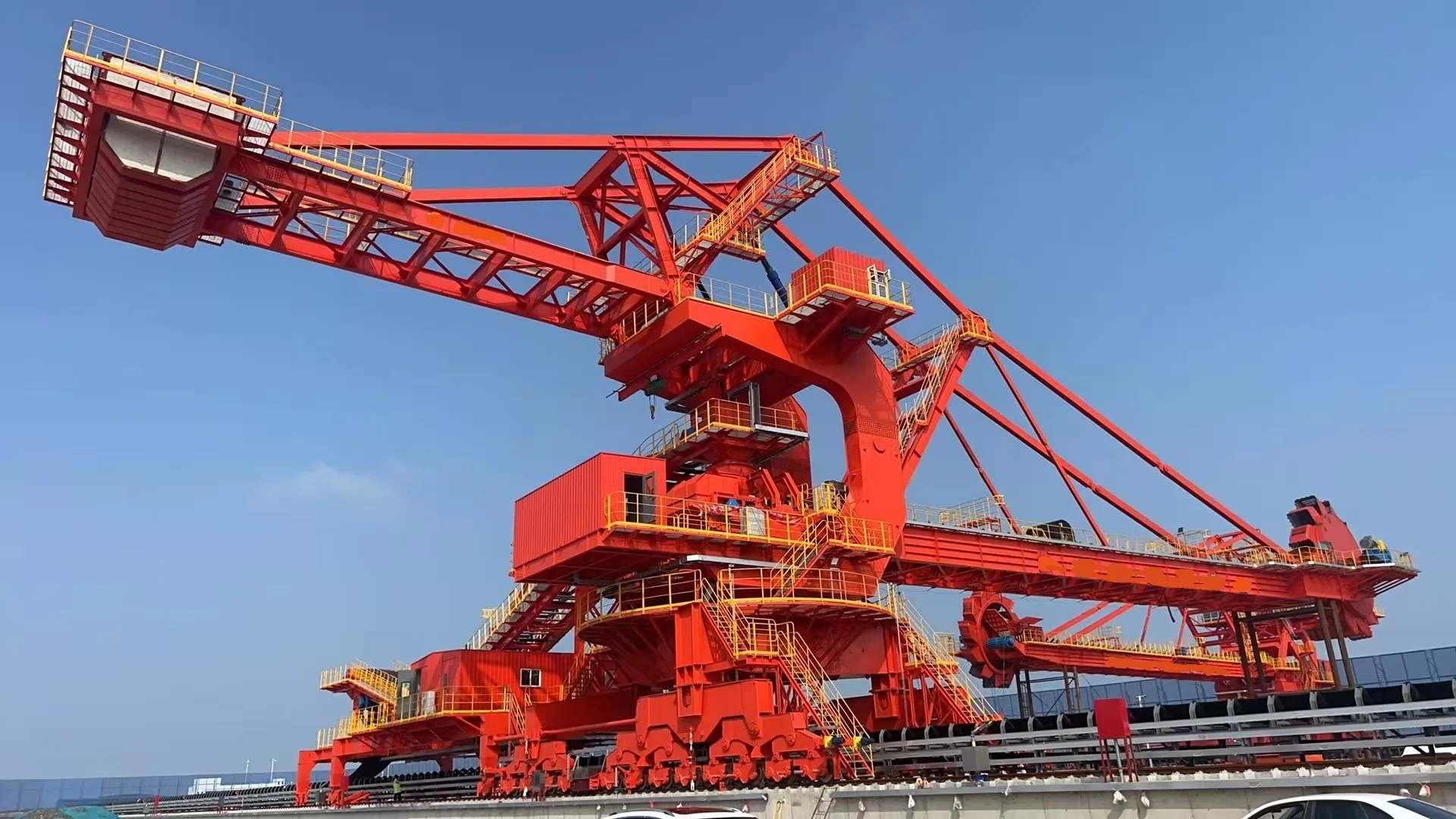


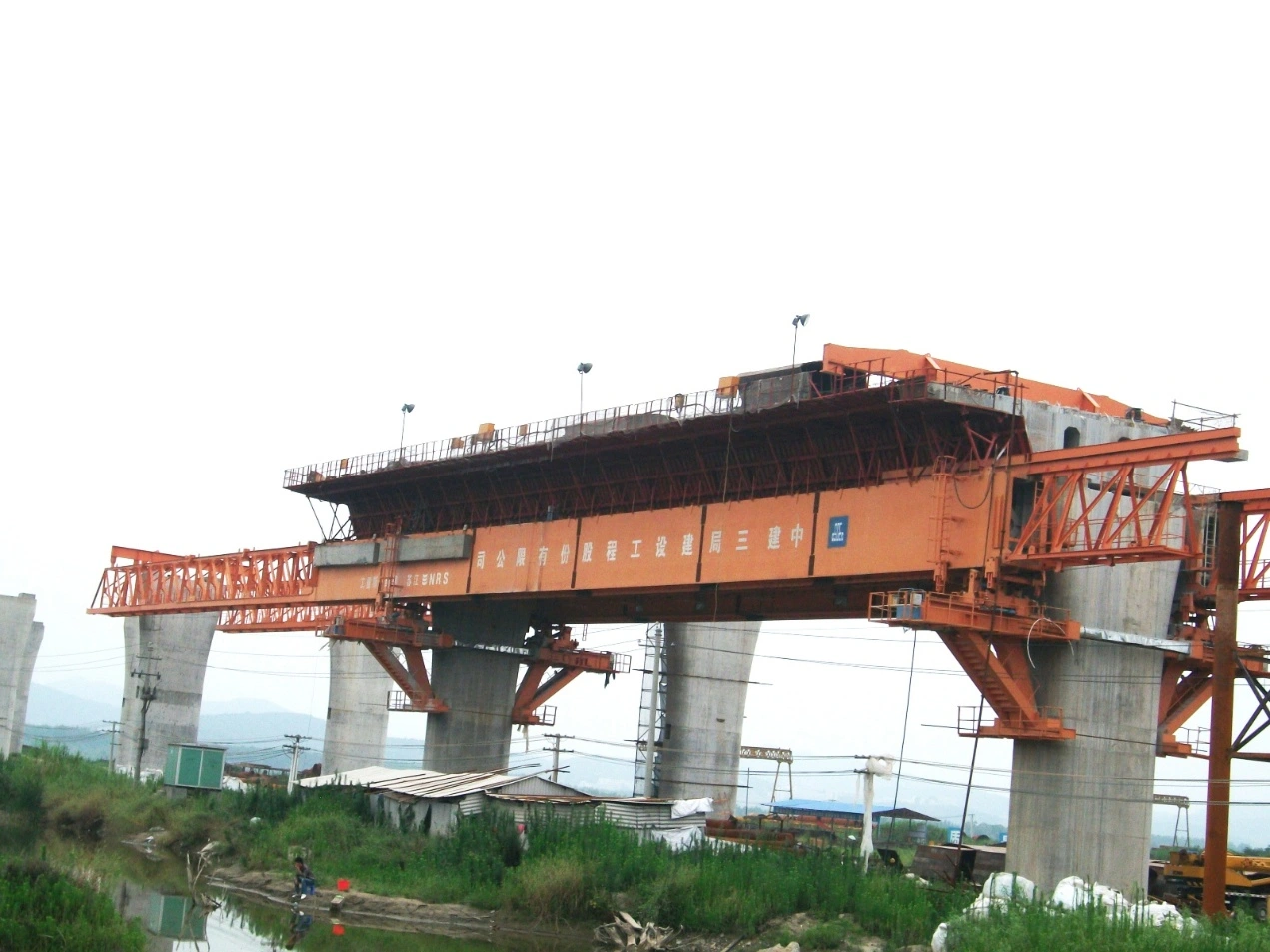

A Movable Scaffolding System has become an essential solution in construction and infrastructure or industrial maintenance works, and large-scale engineering projects. As building designs grow more complex with shorter project timelines, flexibility remains a key requirement of access solutions that can be quickly reconfigured to suit changing work environments within construction zones. The comparison here is between traditional fixed scaffolding and a Movable Scaffolding System that allows mobility together with features of efficiency and safety- hence describing it as the preferred option in present-day precision, speed, speed-and-adaptability-demanding implementations.
In today’s global construction industry, productivity and worker safety compete to share the top ranking on every contractor’s priority list. Practical and scalable platform solutions, such as the Movable Scaffolding System, make more sense. A detailed, SEO-friendly summary of its structure and mode of operation, technical advantages and applications scenarios, material considerations and safety standards, is provided here to meet an informed professional interest from within the industry.
Understanding the Core Concept of a Movable Scaffolding System
Definition and Fundamental Characteristics
A Movable Scaffolding System is defined as a temporary elevated working platform that can be either horizontally or vertically repositioned with ease. Normally, it comprises the structural frame, working decks, guardrails, wheels or rails for movement, together with a lifting mechanism and components of stabilizers. What makes this type of scaffolding different from other systems available is that it does not have to be completely disassembled and re-erected for moving, hence saving a lot on downtime during construction or maintenance works.
Unlike traditional scaffolding, which is highly labor-intensive to move, a position with working height can be achieved through means of MSS that allow for mobility as movable scaffolding systems. Large-Span Structures include Bridges and Tunnels, Industrial Plants High-rise Facades of Buildings comprise more significant proportions wherein such systems find applications.
How a Movable Scaffolding System Works
The Movable Scaffolding System may operate on wheels running over a flat surface, or it may be of the type that runs on rails/tracks, either laid on the ground or fixed to some structural element. In advanced systems, hydraulics or electric lifts can also be incorporated for vertical movement.
The system is engineered to stay stable as it moves and when in operation. Locking devices, adjustable outriggers, and load-distribution frames make sure that the scaffolding stays secure while workers are on the platform. That is exactly how both mobile and stable the Movable Scaffolding System can be to bring about high efficiency in a dynamic work environment.
Structural Components of a Movable Scaffolding System
Frame and Load-Bearing Structure
The frame is the primary component in any system of Movable Scaffolding. Generally, it is made from high-strength steel or aluminum alloys to ensure durability, together with load-bearing capacity. The frame shall be capable of supporting not only the worker’s body weight but also that of tools and materials used in construction or maintenance work as well as any equipment.
Load distributions are carefully calculated to ensure structural integrity under both static and dynamic conditions. This is particularly important when the scaffolding is being moved or adjusted during operation.
Working Platforms and Decking
Working platforms are the surfaces on which workers perform work. In a Movable Scaffolding System, working platforms are constructed of anti-slip material and panels reinforced for greater comfort as well as safety. The width and length may be detailed to suit specific project requirements, hence allowing variation based on different scopes of work.
Good quality decking materials have a long service life and durability against wear, moisture, and chemicals. This is an industrial requirement.
Mobility Mechanisms
Mobility is the defining feature of a Movable Scaffolding System. Depending on the type of design, mobility may be provided by swivel casters or wheels that run on rails, or it could be an entire motorized system for movement. They are engineered to allow smooth and free movement even when fully loaded.
Braking systems and locking devices form part of the whole arrangement so that no accidental motion takes place while in operation. This means that the scaffolding stays where it has been placed until further repositioning is required.
Safety Accessories and Stabilization Devices
Safety is a critical consideration in any Movable Scaffolding System. Guardrails, toe boards, and nets are provided against the fall of persons and materials, together with ladders for safe access to different working levels as part of standard features. Outriggers or counterweights, or even anchoring points, can be used as stabilization devices on the system itself.
This makes the MSS compliant with construction safety regulations instituted in various regions around the globe.
Key Advantages of a Movable Scaffolding System
Enhanced Efficiency and Productivity
Probably the biggest advantage of using a Movable Scaffolding System is that it makes work very efficient. Quick Platform Repositioning means workers can finish different areas of their work without dismantling the structure, keeping idle time to a minimum, and allowing for fast tracking of project schedules.
In large-scale projects with repetitive work along an elongated surface, substantial efficiency can be realized through the use of a Movable Scaffolding System.
Improved Safety Performance
A Movable Scaffolding System remains an engineered product with platforms, integrated guardrails, and mechanisms of movement control to prevent sudden collapses of the structure or falls from heights. Compared to makeshift or fixed scaffolding installations, a well-engineered Movable Scaffolding System brings into play a secure working environment.
Reduced project delays due to accidents or violations that cause delays in remedy work orders remains another benefit the client enjoys when consistent safety performance protects not only workers but also someone like him.
Flexibility for Complex Structures
Most of the modern construction works contain several levels and include some parts with complex geometry. Therefore, this system provides flexibility in its adjustment by having an option for height adjustment together with modular elements and configurations that can be customized to particular structural shapes or work requirements.
That is why the system can be used on different projects, like bridge construction or facade maintenance.
Cost-Effectiveness Over the Project Lifecycle
The overall costs in the implementation of the Movable Scaffolding System are higher than compared of normal scaffolding. However, its long-term sustainability makes it more viable. Lesser manpower engagement, time-bound completion of works, and the possibility for reuse in several projects make the overall costs quite low.
It is therefore a cost-effective solution for contractors and project owners who look beyond immediate returns on investment.
Application Scenarios of a Movable Scaffolding System
Bridge and Infrastructure Construction
IIn bridge construction and rehabilitation projects, a Movable Scaffolding System provides safe and efficient access to undersides, decks, and side structures. The ability to move the platform along the length of the bridge without dismantling is particularly advantageous for large-span structures.
This application demonstrates the stability of the system under heavy loads at great heights.
Industrial Plant Maintenance and Installation
Typical industrial facilities include power plants, refineries, and manufacturing complexes. The installation of new equipment at high elevations is also a requirement in such facilities. A Movable Scaffolding System provides various work locations that can be accessed with minimum time consumption for the critical activity’s downtime.
The system has been designed to sustain in an industrial environment where it may be exposed to heat, chemicals, or vibration.
Building Façade Construction and Renovation
A movable scaffolding system delivers a safe working platform that can be repositioned upward as construction advances in high-rise buildings and architectural facades. This is very useful for curtain wall installation, external finishing works, and facade rectification works. The system being modular can accommodate various building heights and facade designs.
Tunnel and Underground Engineering
In tunnel construction and underground works, the biggest challenges are space limitations and safety. A Confined Environment Movable Scaffolding System provides controlled movement within restricted areas, together with safe access for lining, inspection or any maintenance work to be carried out inside the tunnel.
It is an interim construction solution that can also be used in future maintenance operations.
Material Selection and Manufacturing Considerations
Steel Versus Aluminum Structures
The choice of material plays a crucial role in the performance of a Movable Scaffolding System. Steel structures offer high load capacity and durability, making them suitable for heavy-duty applications. Aluminum systems, on the other hand, provide lightweight advantages and easier handling, which can be beneficial for projects requiring frequent relocation.
Manufacturers select materials based on project requirements, load calculations, and environmental conditions.
Corrosion Resistance and Surface Treatment
A Movable Scaffolding System shall be made corrosion and environmental degradation-resistant to sustain its long-term performance. The resistance protection is mainly through galvanized, powder-coated coated or specially treated surfaces of metals against moisture, chemicals, and UV radiation.
This makes the system components last longer with minimal maintenance costs.
Quality Control and Engineering Standards
Precision manufacturing and strict quality control are the only ways through which safety and reliability can be attained in a Movable Scaffolding System. Normally, components are manufactured to international engineering standards with stringent tests on their load capacities, stability, as well and durability.
Testing to recognized standards increases confidence and acceptance in the construction markets worldwide.
Safety Regulations and Compliance Requirements
Load Capacity and Structural Stability
Safety codes prescribe the load a Movable Scaffolding System shall support in its various modes to enable engineers to calculate and check loads for stability during testing, as well as validation of stability under practical movement conditions.
It also assists site personnel in preventing an overload or misuse by clearly specifying load ratings and intended use.
Worker Protection Measures
Guardrails, access ladders, and fall protection systems are mandatory features in a Movable Scaffolding System. These measures protect workers from common hazards associated with elevated work platforms.
Training and proper usage are equally important to maximize the safety benefits of the system.
Inspection and Maintenance Protocols
Regular inspection and maintenance are critical for ensuring the continued safety of a Movable Scaffolding System. Components should be checked for wear, damage, and proper functioning before and during use.
A well-maintained system not only enhances safety but also extends its operational lifespan.
Role of a Movable Scaffolding System in Sustainable Construction
Reducing Material Waste
The reusable nature of a Movable Scaffolding System contributes to sustainable construction practices. Unlike temporary wooden scaffolding, which may be discarded after use, movable systems are designed for repeated deployment across multiple projects.
This reduces material waste and supports environmentally responsible construction.
Improving Energy and Labor Efficiency
By streamlining work processes and reducing downtime, a Movable Scaffolding System helps lower energy consumption and labor demands. Efficient project execution aligns with sustainability goals by minimizing resource usage.
As sustainability becomes a key consideration in construction, these efficiency gains are increasingly valuable.
Future Development Trends in Movable Scaffolding Systems
Integration of Automation and Smart Technologies
Advancements in automation and digital control systems are shaping the future of the Movable Scaffolding System. Motorized movement, remote control operation, and sensor-based monitoring enhance precision and safety.
Smart technologies enable real-time monitoring of load conditions and structural stability, reducing the risk of accidents.
Modular and Customizable Designs
The demand for modular and customizable solutions continues to grow. Future Movable Scaffolding Systems are likely to feature more standardized components that can be easily configured for different projects.
This modular approach improves scalability and reduces lead times for system deployment.
Alignment with Global Construction Standards
As construction projects become more international, Movable Scaffolding Systems are being designed to comply with a wider range of global standards. This ensures compatibility across markets and facilitates cross-border project execution.
Standardization also enhances trust and reliability in the global construction industry.
Conclusion: Why a Movable Scaffolding System Is a Strategic Investment
A Movable Scaffolding System is a wise investment choice for today’s construction and industrial projects. Its features of mobility, safety, efficiency, and versatility perfectly suit the changing requirements of the construction sector. With advantages that include speedy project implementation, enhanced worker protection,
and the possibility to maintain sustainability efforts within companies by reducing waste materials on site, this type shall be an important participant in future developments regarding building access solutions.
With advances in engineering technology and the complexity of project requirements, dependable and versatile scaffolding solutions remain structurally imperative. This paper discusses the structure, advantages, and uses of a Movable Scaffolding System to ensure that decision-makers at various levels are well-informed, leading eventually to emphasized high standards of performance within their engagements.