


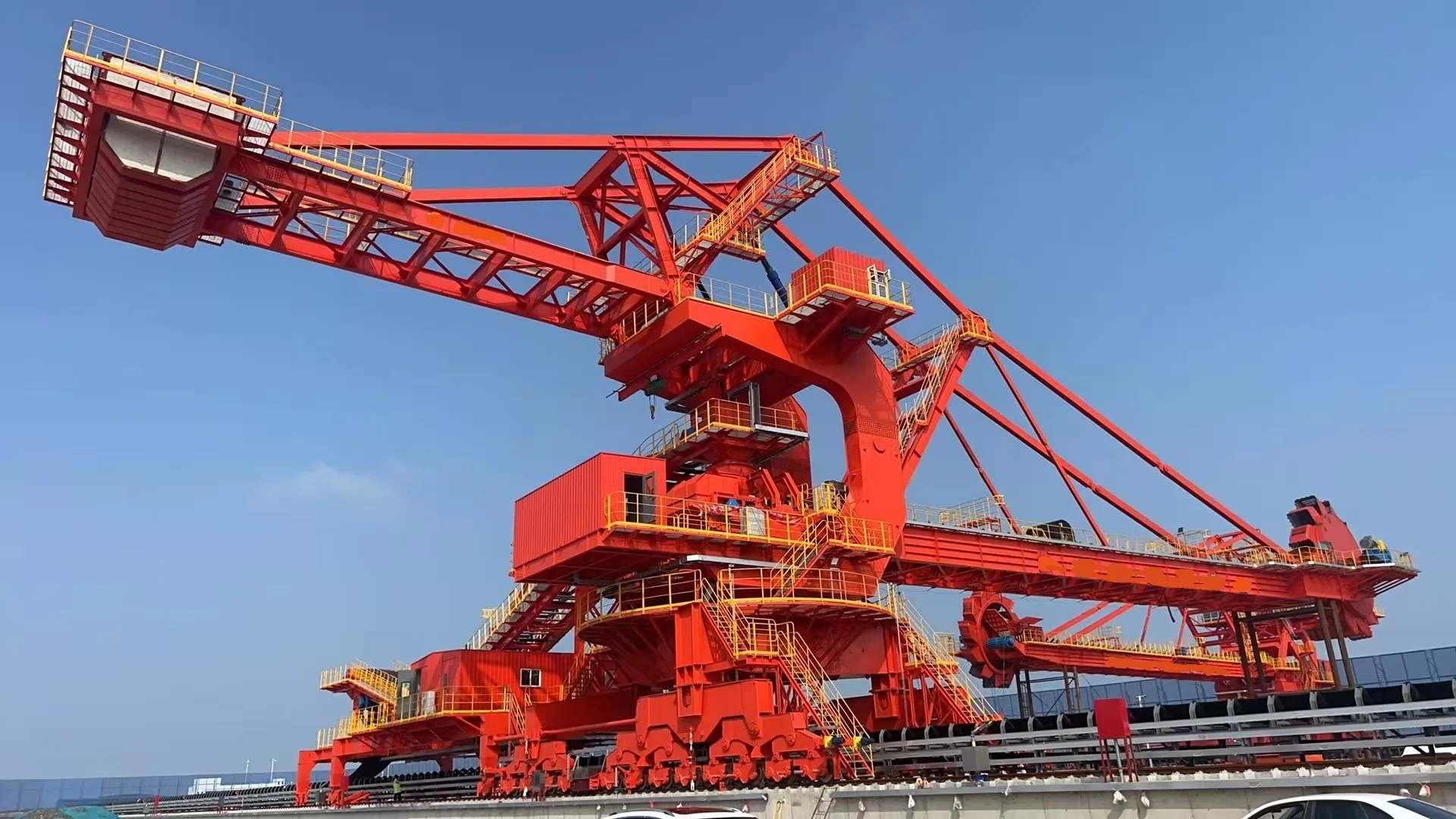
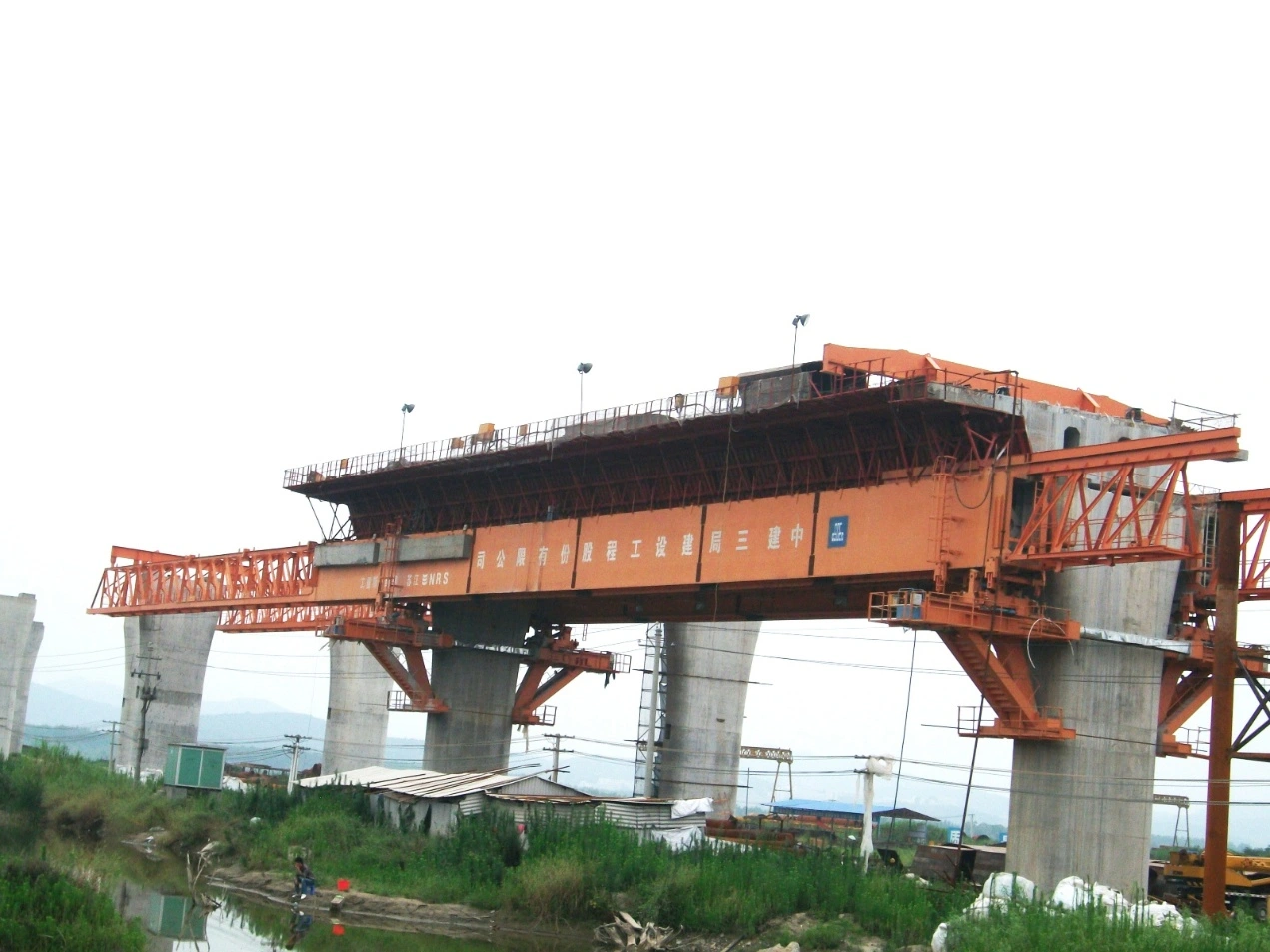

In heavy industry, construction sites, and large infrastructure projects, efficient and safe material moving is not just a logistical concern but also a matter of productivity, budget, and worker safety. When the loads are heavy, the distances are long, or the terrain is treacherous, traditional equipment for handling materials is often at a loss. Forklifts can’t traverse uneven ground, tower cranes can’t reach, and conveyor systems lack flexibility.
Cable cranes, also known as ropeways, aerial cableways, or wire rope cranes, offer a combination of lifting capacity, horizontal reach, and safety that few other solutions can match. Whether you are moving aggregate over a quarry, setting concrete at a dam construction site, or handling logs in a forestry operation, cable cranes deliver the smooth, controlled, and safe handling of materials that modern projects need.
What Are Cable Cranes?
A cable crane is a material handling system that uses one or more wire ropes suspended between towers or support structures to transport loads horizontally, vertically, or both. Unlike traditional cranes that rely on a rigid boom, cable cranes use a moving trolley that travels along a fixed or mobile cableway, allowing loads to be lifted, lowered, and traversed across significant distances.
The basic components of a typical cable crane include:
-
Support towers or masts: Provide elevation and anchoring points for the cables.
-
Main cable (track cable): The stationary cable along which the trolley travels.
-
Haul rope: Moves the trolley back and forth along the main cable.
-
Hoist rope: Raises and lowers the load.
-
Trolley: The traveling mechanism that carries the load block.
-
Control system: Manages movement speed, position, and safety interlocks.
Modern cable cranes can be stationary, luffing, or even mobile, with capacities ranging from a few tons to over 50 tons, and spans exceeding 1,000 meters in some specialized applications.
How Cable Cranes Work
Understanding the operation of a cable crane helps clarify why they are so effective in challenging environments. The system essentially creates an aerial bridge between two or more points. The main cable is tensioned between towers, forming a catenary curve. A trolley is attached to this cable and can be pulled back and forth by the haul rope.
When a load needs to be moved, the hoist rope lowers the hook to ground level. The load is attached, lifted vertically, and then the trolley traverses horizontally along the track cable to the desired destination. The load is then lowered. This sequence can be repeated with high precision, making cable cranes ideal for repetitive point-to-point material movement.
Key Movement Capabilities
-
Vertical lifting: Raising and lowering loads via the hoist system.
-
Horizontal traversing: Moving the trolley along the track cable to span distances.
-
Luffing (optional): Adjusting the angle of the main cable to change the coverage area.
-
Slewing (optional): Rotating the entire tower configuration to expand operational radius.
A well-designed cable crane integrates all these movements smoothly, ensuring minimal load swing and precise positioning even in windy conditions or over uneven terrain.
Types of Cable Cranes for Different Applications
Not all cable cranes are built the same. The right configuration depends on the specific material handling requirements of your project.
| Type | Description | Best Applications |
|---|---|---|
| Fixed Cable Crane | Towers are anchored in fixed positions; the trolley travels along a fixed cableway. | Quarries, concrete placement, repetitive point-to-point transfer |
| Luffing Cable Crane | The main cable angle can be adjusted to cover a wider area from a single tower position. | Dam construction, large-span building sites |
| Mobile Cable Crane | One or both towers are mounted on crawlers or rails, allowing repositioning. | Large infrastructure projects, mining, and forestry |
| Tower Cable Crane | Combines a tower crane mast with a cableway system, offering both height and reach. | High-rise construction, bridge building |
| Bicycle and Tricycle Systems | Use multiple cables to increase stability and load capacity. | Heavy lifts, long spans, high wind environments |
Each type of cable crane offers distinct advantages, and selecting the right one requires careful analysis of site conditions, load characteristics, and operational frequency.
Why Choose Cable Cranes Over Conventional Lifting Equipment?
When evaluating material handling solutions, project managers often compare cable cranes to alternatives like tower cranes, mobile cranes, or conveyor systems. Each has its place, but cable cranes offer unique benefits that make them the preferred choice for specific scenarios.
Advantages of Cable Cranes
-
Unmatched Horizontal Reach: A single cable crane can span hundreds or even thousands of meters, eliminating the need to reposition equipment frequently.
-
Terrain Flexibility: They operate effectively over rivers, valleys, uneven ground, or environmentally sensitive areas where ground-based equipment cannot go.
-
High Repetition Efficiency: For applications requiring repeated movement of similar loads between fixed points, cable cranes offer faster cycle times than mobile cranes.
-
Reduced Ground Disturbance: Since the load is suspended, there is no need for access roads or extensive ground preparation.
-
Enhanced Safety: Loads are guided along a fixed path with controlled acceleration and deceleration, reducing swing and the risk of collisions.
When to Choose Alternatives
While cable cranes excel in many areas, they are not always the right solution. For highly complex lifting paths with multiple pick and drop points, a mobile crane may offer greater flexibility. For extremely heavy loads exceeding the capacity of available cable crane systems, specialized heavy-lift cranes may be required. However, for long-span, repetitive, or terrain-challenged applications, cable cranes are often the most cost-effective and safest choice.
Critical Components That Ensure Reliability
A cable crane is only as reliable as its components. When investing in a system, understanding the quality markers of each part helps ensure long-term performance and safety.
Wire Ropes
The wire ropes are the literal lifelines of any cable crane. High-quality ropes with proper construction (such as rotation-resistant designs) reduce wear and extend service life. Regular inspection for broken wires, corrosion, and elongation is essential.
Trolley and Travel Mechanism
The trolley must run smoothly along the track cable without binding or excessive friction. Advanced cable crane designs use roller assemblies or low-friction bushings to minimize resistance and wear.
Hoist and Haul Winches
Winches control the lifting and traversing functions. Variable frequency drives (VFDs) are now standard on reliable cable cranes, providing smooth acceleration, precise positioning, and reduced mechanical shock.
Control Systems
Modern cable cranes feature integrated control systems that coordinate all movements. Load moment indicators (LMIs), anti-collision systems, and remote-control capabilities enhance both safety and operational efficiency.
Safety Features Built into Modern Cable Cranes
Safety is non-negotiable in material handling. Reputable cable cranes incorporate multiple layers of protection to safeguard personnel, equipment, and the surrounding environment.
Overload Protection
Load cells and sensors continuously monitor the weight being lifted. If the load exceeds the crane’s rated capacity, the system automatically cuts power or sounds an alarm.
Emergency Braking Systems
Multiple independent braking mechanisms ensure that in the event of power failure or operator error, the load remains secure and movement stops immediately.
Anti-Sway Technology
Advanced cable cranes use software algorithms to control acceleration and deceleration profiles, minimizing load swing. This is particularly important when operating in confined areas or near personnel.
Redundancy in Critical Systems
Key components such as hoist brakes, control circuits, and power supplies often feature redundancy. If one system fails, a backup ensures continued safe operation until the issue can be addressed.
Industries That Rely on Cable Cranes
The versatility of cable cranes makes them valuable across a wide range of industries.
-
Hydropower and Dam Construction: Moving concrete, rebar, and equipment across river valleys with precision and repeatability.
-
Quarrying and Mining: Transporting aggregate, ore, or overburden over long distances without the need for haul roads.
-
Forestry: Cable cranes, often called skyline systems, extract logs from steep or remote terrain.
-
Bridge Building: Positioning precast segments and construction materials along the bridge alignment.
-
Waste-to-Energy Facilities: Handling bulk waste materials in large-scale processing plants.
-
Ski Resort Construction: Installing chairlifts and gondolas—themselves specialized cable cranes—or moving materials on mountainous terrain.
In each of these sectors, reliable cable cranes translate to faster project completion, lower operating costs, and improved worker safety.
Installation and Maintenance Best Practices
Even the highest-quality cable crane will underperform or fail prematurely without proper installation and ongoing maintenance.
Foundation and Anchorage
Tower foundations must be engineered to withstand the tension forces generated by the main cable. Inadequate foundations are a leading cause of stability issues in cable cranes. Always work with qualified civil engineers during the installation phase.
Rope Inspection and Replacement
Wire ropes should be inspected daily for visible damage and regularly tested for internal wear. Most manufacturers provide clear criteria for rope retirement; these should be strictly followed.
Lubrication and Wear Monitoring
Moving parts—trolley wheels, winch gears, sheaves—require regular lubrication. Monitoring wear patterns helps predict component replacement before failure occurs.
Operator Training
No amount of engineering can replace skilled operation. Operators of cable cranes must understand load dynamics, communication protocols, and emergency procedures. Certification programs and regular refresher training are essential investments.
FAQ
1. What is the maximum span of a cable crane?
Span capabilities vary widely depending on the design and load requirements. Smaller cable cranes may span 100 to 300 meters, while specialized systems for dam construction or mining can exceed 1,000 meters. Larger spans typically reduce rated load capacity due to increased cable sag and tension.
2. How much weight can a cable crane lift?
Capacities range from a few tons for light industrial applications to 50 tons or more for heavy civil projects. The specific capacity depends on the cable size, tower strength, and winch power. Most manufacturers provide load charts that specify safe working loads at various spans and configurations.
3. Are cable cranes safe in high wind conditions?
Modern cable cranes include wind speed sensors and operational limits. In high winds, operations are typically suspended. The system’s design accounts for wind loads, but safe operating procedures always prioritize shutting down when wind exceeds specified thresholds.
4. How do cable cranes compare to tower cranes in cost?
For projects requiring long horizontal reach or operation over difficult terrain, cable cranes often have a lower total installed cost than multiple tower cranes. However, initial setup costs can be higher due to tower foundations and cable tensioning. A detailed site-specific analysis is recommended.
5. What is the typical service life of a cable crane?
With proper maintenance, a cable crane can operate for 20 to 30 years or more. Wire ropes and wear components require periodic replacement, but the structural elements and major machinery are built for decades of service. Regular inspections and adherence to maintenance schedules are key to achieving maximum service life.
Conclusion: Invest in Reliability for Smooth and Safe Operations
Material handling is the backbone of any industrial or construction project. When that process is interrupted by equipment failure, safety incidents, or inefficiency, the ripple effects impact schedules, budgets, and morale. Choosing the right equipment from the start makes all the difference.
Cable cranes offer a proven solution for projects that demand long spans, challenging terrain, repetitive cycles, and uncompromising safety. Their ability to move loads smoothly and precisely—whether across a river valley, over a quarry, or along a bridge alignment—makes them an indispensable tool in the material handling arsenal.
If your next project involves heavy loads, difficult access, or the need for consistent point-to-point transfer, it is time to consider the advantages that reliable cable cranes can deliver. From initial design consultation to installation and ongoing support, working with an experienced provider ensures that your system is tailored to your specific needs and built to perform for years to come.
Ready to improve your material handling operations?
Contact our team of cable crane specialists today to discuss your project requirements. We offer custom-engineered solutions, comprehensive installation services, and lifetime support to keep your operations running smoothly and safely. Request a consultation now.