


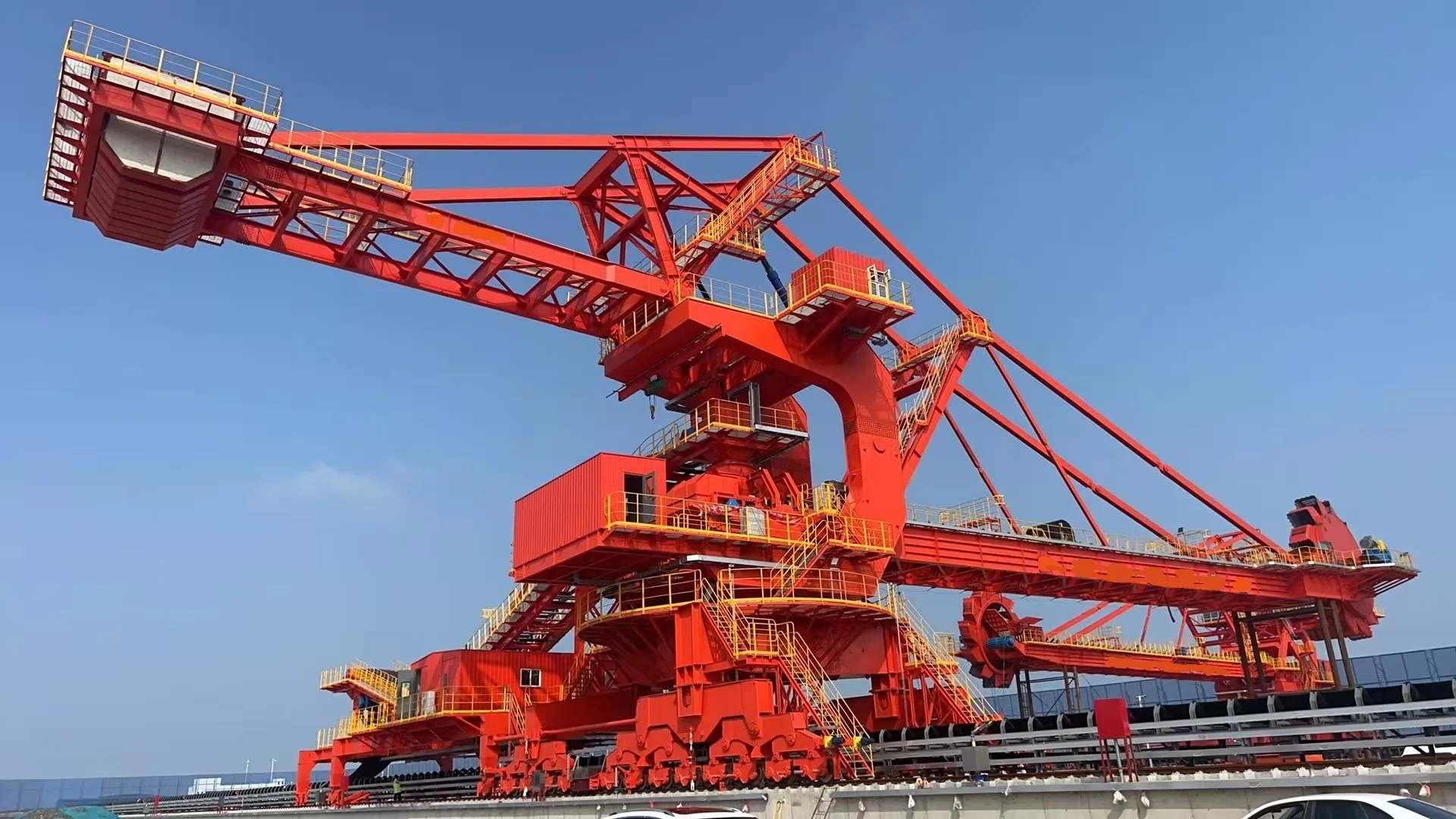

في القرن الحادي والعشرين، أصبح تطوير البنية التحتية المنصة الرئيسية للتنمية الوطنية والنمو الاقتصادي. ومن بين جميع أنظمة البنية التحتية، يُعتبر بناء الجسور رمزًا قويًا للتقدم التكنولوجي والتقدم الاجتماعي. فهو يربط المدن ويسهل اللوجستيات ويعيد تعريف الطريقة التي يتم بها تحقيق التكامل الإقليمي. ومع ذلك، فإن كل جهد قياسي أو انتصار جمالي تخفيه قوة غير معروفة: معدات بناء الجسور. من أجهزة إطلاق العوارض إلى رافعات الأقسام، ومن الرافعات الهيدروليكية إلى أنظمة المراقبة الذكية، لا تحدد هذه الآلات فقط كيفية إنشاء الجسور، بل تحدد أيضًا مدى سلامتها واستدامتها وكفاءتها. إن معدات بناء الجسور المستخدمة في تشييد الجسور لم تعد تتكون من أدوات ثقيلة فحسب، بل أصبحت النواة التكنولوجية التي تمكّن المهندسين من توسيع حدود التصميم الهيكلي، مما يضمن أن تكون البنية التحتية الحديثة أكثر دقة وأتمتة واهتمامًا بالبيئة.
تطور معدات بناء الجسور
من الرفع اليدوي إلى الأنظمة الآلية
في البداية، كان بناء الجسور يعتمد بشكل أساسي على العمالة البشرية والمساعدة الميكانيكية. وكان الموظفون يستخدمون الرافعات والدعامات المؤقتة لتجميع المكونات، مما حدّ من سرعة البناء وزاد من مخاطر السلامة.
أدى تنفيذ آلات آلية لبناء الجسور في منتصف القرن العشرين إلى تغيير هذا المشهد. فقد شكّلت الأدوات المتخصصة مثل أجهزة إطلاق العوارض التي تسبق تركيب الأقسام الجاهزة، والرافعات المتحركة التي تُصب في مكانها، نقطة تحول مهمة.
أما الأنظمة الحديثة فقد دمجت التحكم الهيدروليكي، وآلية التتبع الخطي، وأجهزة الاستشعار الرقمية التي تتيح دقة بمستوى ملليمتر في ظروف حمل ديناميكية. وهذه التحسينات تقلل من الأخطاء البشرية، وتقلل من نفايات المواد، وتزيد من الإنتاجية.
دمج التقنيات الرقمية
المعدات الأساسية التي تحدد بناء الجسور الحديثة
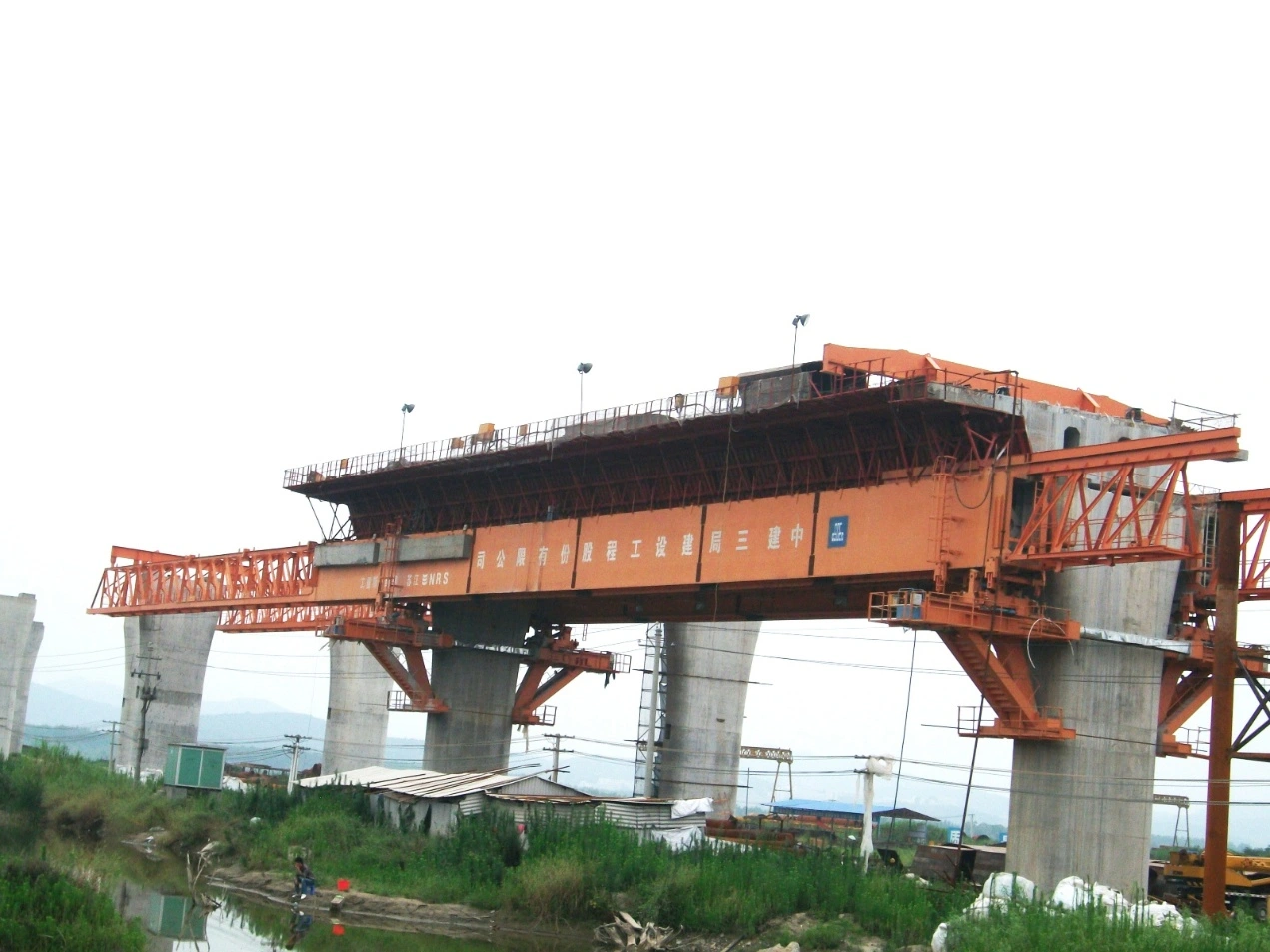
أنظمة إطلاق العوارض
الرافعات المتحركة للجسور ذات التعليق الكابلي
رافعات الأقسام وأجهزة إطلاق العوارض
الدعامات المؤقتة وأنظمة الرفع
دور الأتمتة والذكاء الاصطناعي
الصيانة التنبؤية واكتشاف الأعطال
التشغيل الذاتي والتحكم عن بُعد
الاستدامة والكفاءة في استهلاك الطاقة في تصميم المعدات
التصنيع الأخضر والمواد القابلة لإعادة التدوير
أنظمة هيدروليكية موفرة للطاقة
تعزيز السلامة ومراقبة الجودة
الاتجاهات العالمية وآفاق السوق
High-capacity lifters with automated hoisting systems that are now available allow for smooth movement control, which diminishes the vibrations and prevents small cracks in the concrete from forming.
Similarly, beam launchers that have both tilt and rotation capabilities deal with heavier girders that span a variety of lengths, which ensures a quicker delivery of projects.
Temporary Support and Jacking Systems
Hydraulic jack systems, temporary piers, and bearing installation tools have become more complex, which allows for seamless integration and load transmission.
Smart jack systems that contain load cells can automatically adjust the pressure balance. This is important for ensuring a uniform distribution of pressure across multiple points in support – it’s crucial to high-speed rail or large-span bridges.
The Role of Automation and Artificial Intelligence
Predictive Maintenance and Fault Detection
AI and machine learning have become part of the world of bridge construction machinery in the form of preventative maintenance. Sensors acquire data that provides information about operational issues, such as the temperature of oil, vibrations, and stress levels. These are all inputted into AI programs that identify potential problems before they occur.
This method reduces downtime, improves the maintenance schedule, and extends the life of the equipment. For instance, hydraulic actuators that have an anomalous detection system can correct themselves or issue alerts when pressure is out of balance.
Autonomous Operation and Remote Control
The next evolution step is the construction of remote-controlled and autonomous bridges.
Through LiDAR mapping, GPS guidance, and 3D modeling in combination, robotic systems can now conduct automated verification of alignment and positioning.
This decreases the necessity of workers in high-risk areas, which increases safety while still maintaining accuracy.
In larger projects that are autonomous, the equipment will have a fleet of its own, which will be led by a digital platform that is central to the project. This will allow for a fully automated assembly of the bridge.
Sustainability and Energy Efficiency in Equipment Design
Green Manufacturing and Recyclable Materials
The next evolution step is the construction of remote-controlled and autonomous bridges.
Through LiDAR mapping, GPS guidance, and 3D modeling in combination, robotic systems can now conduct automated verification of alignment and positioning.
This decreases the necessity of workers in high-risk areas, which increases safety while still maintaining accuracy.
In larger projects that are autonomous, the equipment will have a fleet of its own, which will be led by a digital platform that is central to the project. This will allow for a fully automated assembly of the bridge.
Energy-Saving Hydraulic Systems
Hydraulic systems account for a large portion of the total energy consumed by bridge construction machines. The implementation of variable displacement pumps, energy recovery circuits, and electro-hydraulic proportional valves decreases power loss by as much as 30% and increases efficiency by as much as 30%.
These innovations not only lower the cost of operation but also correspond with global goals of carbon neutrality, which ensures that bridge construction has a positive impact on sustainable development.
Enhancing Safety and Quality Control
The safety of the bridge is the most important aspect of its construction. Modern equipment features multiple safety layers, including load monitoring, emergency brake, and structural health monitoring.
Digital twin technology facilitates a comparison of design models and constructed structures that is real-time and detects discrepancies early on in the process.
For instance, form travelers now utilize dual path redundancy, which ensures that even if one hydraulic circuit is lost, the structure is still stable.
The degree of engineering redundancy is crucial to ensuring that bridge construction equipment maintains the highest safety standards possible.
Global Trends and Market Outlook
The worldwide market for bridge-building supplies is growing alongside large projects in Asia, the Middle East, and Europe.
Countries like China, India, and Saudi Arabia are committing funds to build high-speed rail and expressways; these countries require advanced equipment that can be rapid, precise, and environmentally responsible.
[QWEN_MT_ITEM_1]من المتوقع أن يؤدي الارتفاع في شعبية أنظمة الجسور المعيارية والأساليب الإنشائية الجاهزة إلى زيادة الطلب على التكنولوجيا المتكاملة التي ترفع وتحمل البضائع.
Manufacturers are increasingly providing solutions that require no additional setup, have a single installation, and can be maintained by the global community.
Future Directions: Intelligent, Adaptive, and Sustainable
The future of bridge construction equipment will be defined by three pillars:
-
Intelligent Automation:
AI-driven systems capable of autonomous operation, self-diagnosis, and cloud-based collaboration across global sites. -
Adaptive Engineering:
Equipment that can automatically reconfigure its structure for variable-span or curved bridges, supported by real-time structural analysis. -
Sustainable Development:
Integration of green materials, renewable energy systems, and eco-friendly design principles to minimize environmental impact.
By 2035, we can expect fully intelligent bridge construction platforms — combining robotics, 5G communication, and AI — enabling remote, safe, and precise construction even in the most challenging environments.
Building the Future, One Span at a Time
The equipment used in bridge construction is more complex than the mechanical parts alone. It represents the combination of engineering, knowledge, and sustainability – three powers that move forward the modern infrastructure.
From the precise launching of the girder to the AI system’s insightful predictions, each component has a role in determining the skylines of tomorrow.
As countries continue to devote funds to improving connectivity and resilience, bridge-building equipment will still be at the forefront of this transformation – not only to create physical links between lands, but also to facilitate technological advances that will lead to a more intelligent and more sustainable world.