




Today’s industrial segment involves an operation where handling heavy components, either curved or in segments, safely and correctly poses a unique challenge to the implementation of appropriate lifting tools. The fact remains that hooks, chains, or slings become practically inadequate when dealing with such components that need a balanced grip while positioning them accurately without marring their surface. This is exactly what segment lifters have been designed for.
A segment lifter is a particular lifting device meant to hold, lift, and carry to some location segmented or curved workpieces securely and safely. The use of such devices finds wide application in industries involving precast components, heavy manufacturing, infrastructure construction, and any large-scale assembly. Knowledge about what a segment lifter is, its working principle, and areas best suited for its application helps inform the choice of an appropriate lifting solution as well as enhancing operational safety & efficiency.
Understanding the Concept of a Segment Lifter
Definition of a Segment Lifter
A segment lifter is defined as an industrial lifting attachment capable of handling individual segments or arc-shaped components that cannot be safely lifted by conventional lifting equipment. The segments may be concrete, steel, composite materials, or any other heavy construction material.
Unlike single-point or flexible support lifting devices, segment lifters apply and maintain a controlled gripping force over one or more contact surfaces. It is this very feature that makes the load stable with minimum possibilities for slipping, tilting, or even deformation while being lifted.
Why Segment Lifters Are Necessary
Most of the segmented components are heavy, unsymmetrical, and difficult to balance. Conventional lifting methods result in unequal load distribution, over-stressing the material, or creating an unsafe working condition.
The segment lifter has been designed to overcome these problems by providing a stable, repeatable lifting performance while maintaining workpiece integrity as well as operator protection.
How a Segment Lifter Works
Gripping Mechanism and Load Distribution
The core function of a segment lifter lies in its gripping mechanism. Depending on the design, the lifter may use mechanical clamps, hydraulic arms, or friction-based contact surfaces to secure the segment.
It is always ensured that the gripping force remains uniformly distributed over the surface of the segment to keep it balanced and also avoid any kind of localized stressing. Such controlled stressing becomes more important when stressed elements are to be lifted, which could either be fragile or precision-engineered.
Lifting and Positioning Process
After the segment has been gripped, the lifter is attached to a crane, hoist, or any lifting system. The segment lifter permits raising, moving, rotating and positioning the load with high accuracy.
The positioning can be fine-adjusted for precise alignment during installation or assembly, as required by most applications.
Types of Segment Lifters
Mechanical Segment Lifters
Mechanical segment lifters rely on manual or mechanically actuated clamps to grip the load. These lifters are valued for their simplicity, durability, and ease of maintenance.
They are commonly used in applications where load sizes are consistent and where hydraulic systems are not required.
Hydraulic Segment Lifters
Hydraulic segment lifters use hydraulic pressure to apply force. This makes it possible to achieve smooth gripping action and also permits the operator to regulate the intensity of grip or clamping force, especially when large or heavy segments are being handled.
The hydraulic type is generally selected for high-capacity uses or in cases where it is necessary to have exact control over the gripping force.
Custom and Application-Specific Designs
In many industries, segment lifters are custom-designed to suit specific segment shapes, weights, or installation environments. These lifters may include specialized gripping pads, adjustable arms, or integrated safety systems.
Custom solutions are common in large infrastructure projects and advanced manufacturing operations.
Key Components of a Segment Lifter
Frame and Structural Elements
The frame of a segment lifter provides the structural strength needed to support heavy loads. It is typically made from high-strength steel or other durable materials designed to withstand repeated lifting cycles.
A well-designed frame ensures stability and long service life under demanding industrial conditions.
Gripping Pads and Contact Surfaces
Gripping pads are critical for maintaining friction and preventing damage to the segment surface. These pads may be made from rubber, polyurethane, or other materials selected for compatibility with the workpiece.
The choice of contact material directly affects grip reliability and surface protection.
Control and Safety Features
Modern segment lifters often include safety features such as load indicators, locking mechanisms, and fail-safe systems. These features help prevent accidental release and enhance operator confidence.
Safety-focused design is essential in environments where heavy loads are handled frequently.
Common Applications of Segment Lifters
Precast Concrete Industry
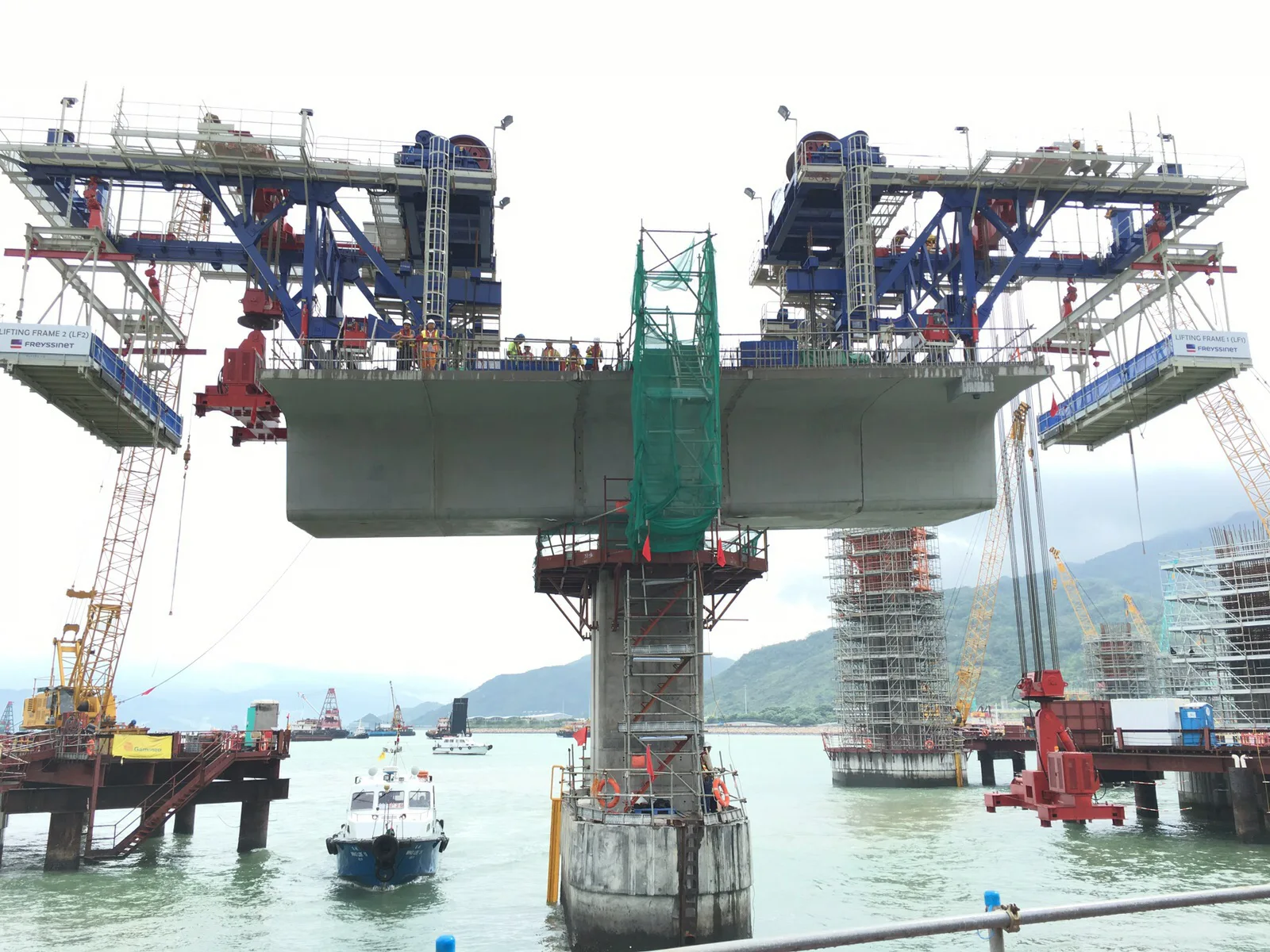
In the precast concrete industry, segment lifters are widely used to handle tunnel segments, bridge components, and architectural elements. These segments are often heavy and require precise placement during installation.
Segment lifters enable efficient handling while minimizing the risk of cracking or surface damage.
Tunneling and Infrastructure Projects
Tunnel construction frequently involves the use of precast concrete segments that must be lifted and positioned with high accuracy. Segment lifters are essential tools in tunnel boring machine operations and underground construction.
Their ability to securely grip curved segments makes them ideal for these demanding environments.
Manufacturing and Heavy Assembly
In manufacturing settings, segment lifters are used to handle large metal rings, curved panels, and segmented assemblies. These components may be part of machinery, storage tanks, or industrial equipment.
Accurate positioning is critical in these applications, making segment lifters a preferred solution.
Maintenance and Repair Operations
Segment lifters are also used in maintenance operations where heavy or awkwardly shaped components must be removed and reinstalled. Their controlled lifting capability reduces downtime and improves workplace safety.
Advantages of Using a Segment Lifter
Improved Lifting Safety
One of the primary benefits of segment lifters is enhanced safety. By providing a stable and secure grip, these devices reduce the likelihood of load slippage or sudden movement.
Improved safety protects both operators and the surrounding equipment.
Greater Positioning Accuracy
Segment lifters allow for precise control during lifting and placement. This accuracy is especially valuable in assembly and installation tasks where alignment is critical.
Accurate positioning reduces rework and improves overall productivity.
Reduced Damage to Workpieces
Even load distribution and protective gripping surfaces help prevent damage to sensitive or finished surfaces. This is particularly important for precast concrete and precision-manufactured components.
Reducing damage contributes to higher quality outcomes and lower material waste.
Factors to Consider When Choosing a Segment Lifter
Load Weight and Dimensions
The weight and size of the segments being handled are fundamental factors in selecting a segment lifter. The lifter must be rated for the maximum load with an appropriate safety margin.
Understanding load characteristics ensures safe and efficient operation.
Segment Shape and Material
Segment geometry and material composition influence the type of gripping mechanism required. Curved, tapered, or textured surfaces may require specialized gripping solutions.
Matching the lifter design to the segment shape improves grip reliability.
Operating Environment
Environmental factors such as temperature, moisture, dust, and chemical exposure can affect lifter performance. Selecting materials and coatings suitable for the operating environment enhances durability.
Environmental compatibility is especially important in outdoor and underground applications.
Segment Lifters vs Traditional Lifting Equipment
Limitations of Hooks and Slings
Traditional lifting tools are versatile but may struggle with non-uniform or curved loads. They often rely on balance and friction, which can be unreliable with segmented components.
These limitations increase the risk of accidents and inefficiency.
Why Segment Lifters Offer Better Control
Segment lifters are purpose-built for specific load types. Their controlled gripping and balanced lifting capabilities provide superior stability and precision compared to general-purpose equipment.
This makes them a preferred choice in specialized lifting scenarios.
Safety Considerations in Segment Lifter Operation
Proper Training and Procedures
Operators must be trained in the correct use of segment lifters, including load assessment, attachment procedures, and emergency protocols.
Training ensures that safety features are used effectively.
Regular Inspection and Maintenance
Routine inspection of gripping mechanisms, structural components, and safety systems is essential. Identifying wear or damage early helps prevent equipment failure.
Maintenance supports long-term reliability and compliance with safety standards.
Standards and Compliance
Industry Safety Standards
Segment lifters are often designed to comply with international and regional lifting standards. These standards define load ratings, safety factors, and testing requirements.
Compliance ensures that the equipment meets established safety benchmarks.
Documentation and Certification
Proper documentation, including load certificates and inspection records, is important for regulatory compliance and operational transparency.
Certified equipment provides assurance of performance and safety.
Efficiency and Productivity Benefits
Faster Handling and Installation
Segment lifters streamline lifting and positioning processes, reducing the time required for handling operations. This efficiency is particularly valuable in large-scale projects with tight schedules.
Improved handling speed contributes to overall project productivity.
Reduced Labor Requirements
By providing stable and controlled lifting, segment lifters reduce the need for manual adjustments and additional personnel. This lowers labor costs and improves workplace ergonomics.
Efficiency gains support cost-effective operations.
Long-Term Value of Segment Lifters
Durability and Service Life
High-quality segment lifters are designed for long-term use in demanding environments. Durable construction and replaceable components contribute to extended service life.
Long-lasting equipment offers better return on investment.
Adaptability to Multiple Applications
Many segment lifters are adaptable to different segment sizes and shapes through adjustable features or interchangeable components. This versatility increases their usefulness across multiple projects.
Adaptability enhances operational flexibility.
Future Trends in Segment Lifter Design
Integration of Smart Technologies
Advancements in sensors and monitoring systems are influencing segment lifter design. Smart features can provide real-time load data and enhance safety monitoring.
Technology integration supports predictive maintenance and improved control.
Focus on Ergonomics and Sustainability
Manufacturers are increasingly focusing on ergonomic design and sustainable materials. Lighter structures and environmentally friendly components reduce operational impact.
These trends align with modern industrial priorities.
Conclusion
A segment lifter is defined as a tool used to safely and effectively handle segmented or curved components, secured fully gripped with balanced load distribution and accurate positioning of the component in industrial applications. This describes aspects that are difficult for other traditional lifting equipment to address, but are well handled by the segment lifter.
This paper will define what a segment lifter is, explain how it works, and describe the best application for its use. Knowledge of all three leads to informed choice and safe operation- whether the decision lies within precast concrete or tunneling or any manufacturing or maintenance activity that adopts segment lifters to achieve better safety, productivity, and quality results.
The right choice, together with proper usage, transforms a segment lifter from being just another lifting tool into an important element inside a dependable and effective material handling system.