
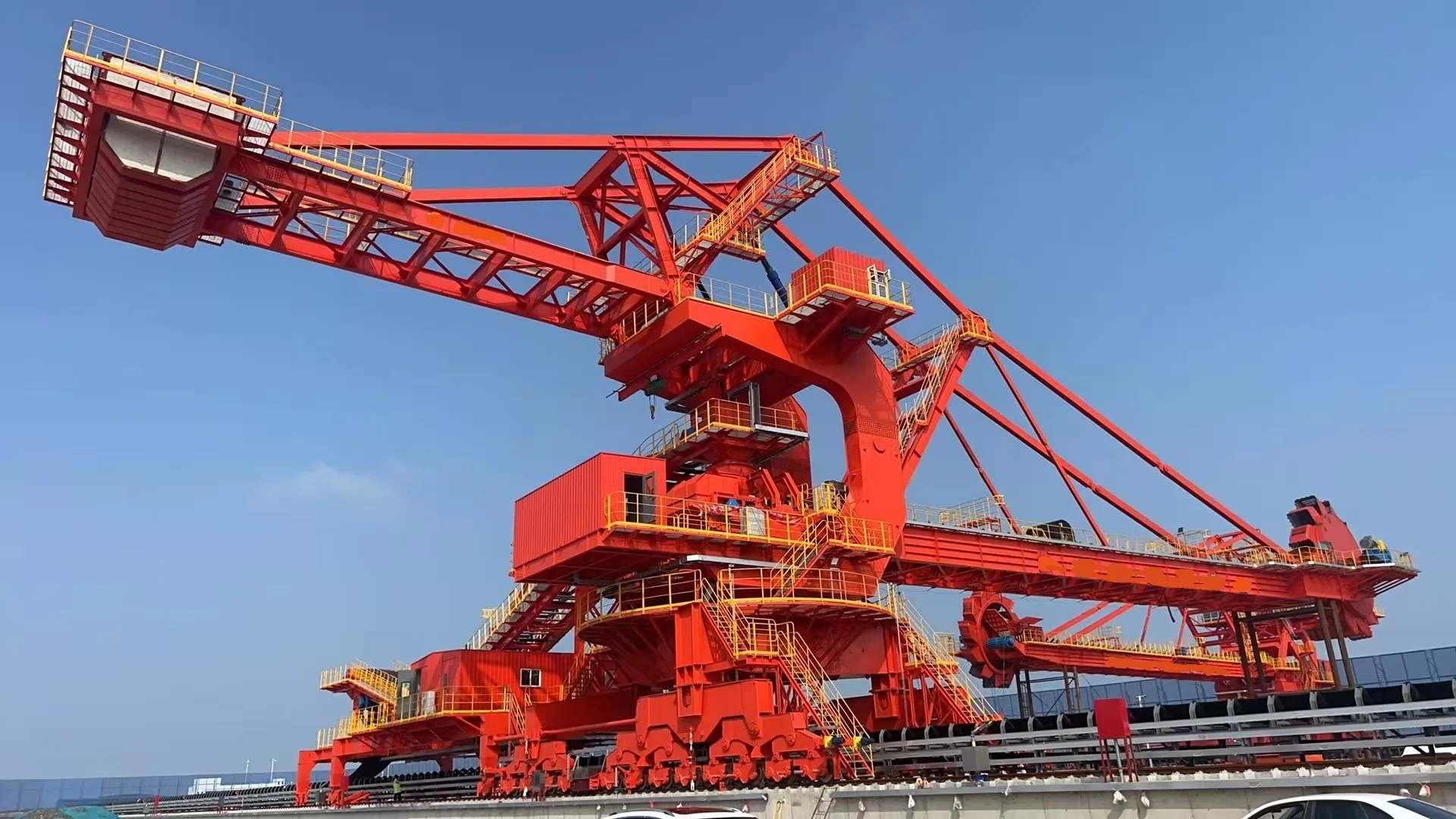


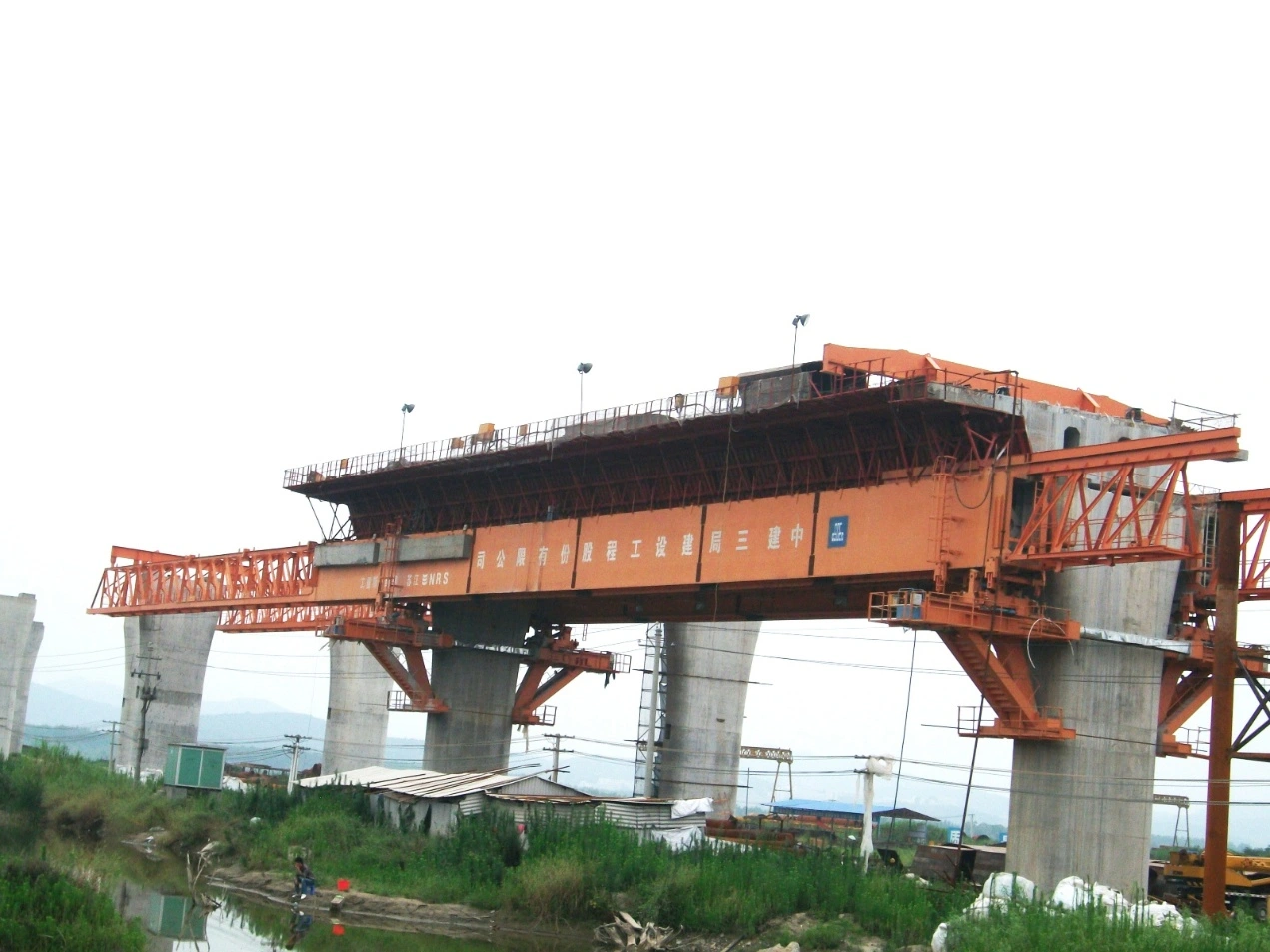

Traditional bridge construction methods—reliant on extensive scaffolding, cast-in-place concrete, and multiple crane setups—are increasingly being replaced by segmental construction techniques that demand specialized equipment. At the forefront of this evolution is the bridge segment lifter, a purpose-built machine capable of handling precast concrete segments weighing up to several hundred tons. This article explores how modern bridge segment lifter technology enhances efficiency across large-scale bridge installations, from accelerated timelines and cost savings to improved quality control and adaptability in challenging environments.
1. The Evolution of Bridge Construction and the Role of Specialized Lifting Equipment
To fully appreciate the efficiency gains offered by a bridge segment lifter, it is helpful to understand the construction methodologies that preceded it. For much of the 20th century, bridge decks were primarily constructed using cast-in-place techniques, where formwork was erected on-site, reinforcing steel was placed, and concrete was poured and cured in position. While effective, this approach was labor-intensive, time-consuming, and highly susceptible to weather delays.
The Shift to Precast Segmental Construction
The advent of precast segmental construction in the 1960s marked a paradigm shift. By manufacturing bridge segments in a controlled casting yard—often adjacent to the project site—contractors could achieve higher quality control, reduce on-site labor, and parallelize activities. However, the success of this method depended entirely on the availability of equipment capable of lifting, transporting, and precisely positioning segments weighing 50 to 200 tons or more. The bridge segment lifter emerged as the ideal solution, combining lifting capacity with the mobility and precision required for efficient assembly.
How a Bridge Segment Lifter Differs from Conventional Cranes
While a conventional mobile crane can lift heavy loads, it lacks the specialized features that make a bridge segment lifter uniquely suited for segmental bridge construction. A bridge segment lifter typically operates from the completed deck of the bridge itself, moving along rails or traveling on wheels as construction progresses. This self-launching capability eliminates the need for ground-based cranes to reposition constantly, reducing setup time and minimizing site footprint. Additionally, the bridge segment lifter integrates hydraulic systems, computerized controls, and load-monitoring sensors that enable millimeter-level positioning accuracy—a level of precision difficult to achieve with conventional lifting equipment.
2. Accelerating Project Timelines Through High-Velocity Segment Placement
Perhaps the most significant efficiency advantage of a bridge segment lifter is its ability to compress construction schedules dramatically. In an industry where time directly correlates with cost, the ability to place more segments per day translates into substantial financial savings and earlier project completion.
Comparative Installation Rates
| Construction Method | Average Span Completion Time | Segments per Day | Crew Size |
|---|---|---|---|
| Cast-in-Place | 3–4 weeks per span | N/A | 12–20 workers |
| Mobile Crane Installation | 4–6 days per span | 1–2 | 6–10 workers |
| Bridge Segment Lifter Installation | 1–2 days per span | 3–5 | 3–4 operators |
A bridge segment lifter operating in span-by-span mode can place a full span of segments—typically 4 to 8 segments—within a single workday. In balanced cantilever applications, where segments are placed symmetrically from a pier, a bridge segment lifter can complete an entire cantilever arm in days rather than weeks. For a 3-kilometer viaduct requiring 150 segments, the time savings compared to crane-based installation can exceed 90 days, representing a 30–40% reduction in overall construction duration.
Parallel Workflows and Reduced Critical Path Activities
Beyond direct placement speed, a bridge segment lifter enables parallelization of construction activities. While the bridge segment lifter installs segments on the active work front, other crews can simultaneously perform post-tensioning, formwork adjustments, and ancillary work on completed sections. This overlapping of activities compresses the project’s critical path, allowing contractors to deliver completed structures months ahead of traditional schedules.
3. Precision Engineering and Quality Control for Superior Structural Outcomes
Speed alone is meaningless if it compromises quality. The bridge segment lifter is engineered to deliver both rapid placement and exceptional accuracy, ensuring that the final structure meets the stringent geometric and structural requirements of modern bridge design.
Millimeter-Level Positioning Capabilities
The hydraulic control systems integrated into a bridge segment lifter allow operators to make adjustments measured in millimeters. This precision is critical for match-cast segments, where each segment is cast against its neighbor to ensure perfect fit. When segments are joined with epoxy adhesive, even minor misalignments can create stress concentrations that affect the long-term durability of the structure. A bridge segment lifter equipped with laser-guided positioning systems and digital readouts achieves placement tolerances within ±3 mm, ensuring that the completed bridge deck meets design specifications without the need for costly shimming or corrective work.
Real-Time Load Monitoring and Structural Validation
Every bridge segment lifter incorporates load cells that continuously monitor the weight being lifted. This real-time data serves multiple quality control functions:
-
Verification of Segment Weight: By comparing actual lift weight against design specifications, contractors can identify discrepancies that might indicate manufacturing defects or mislabeled segments.
-
Balance Monitoring: In balanced cantilever construction, uneven loading can cause structural instability. The bridge segment lifter provides continuous feedback to ensure symmetrical placement.
-
Documentation: Load data can be logged and archived as part of the project quality record, providing valuable documentation for engineers and regulatory authorities.
Reducing Rework and Rework Costs
Rework is among the most expensive and time-consuming activities in bridge construction. Misplaced segments may require cutting, repositioning, or even replacement—each incurring significant costs and schedule delays. By delivering consistent, repeatable accuracy, a bridge segment lifter virtually eliminates placement-related rework, contributing directly to project efficiency.
4. Enhancing Safety Through Reduced High-Risk Activities
Large-scale bridge construction ranks among the most hazardous sectors of civil engineering, with risks including falls from height, crane-related accidents, and heavy load handling. A bridge segment lifter significantly improves safety outcomes by reducing the number and complexity of high-risk activities.
Eliminating Ground-Based Crane Hazards
Conventional segment installation often relies on large mobile cranes positioned on the ground beneath or beside the bridge. This approach introduces multiple hazards:
-
Swing Radius Encroachment: The crane’s rotating counterweight and boom create a danger zone for ground personnel.
-
Outrigger Stability: Soft or uneven ground can compromise crane stability, particularly when handling heavy loads.
-
Limited Operator Visibility: Ground-based crane operators often have obstructed views of the load placement area, requiring extensive signaling personnel.
A bridge segment lifter operates from the completed deck, with all lifting and positioning functions controlled from a single vantage point. The operator has an unobstructed view of the segment being placed, and ground personnel are not required within the hazard zone during lifting operations.
Built-In Safety Features and Redundancy
Quality bridge segment lifter systems incorporate multiple layers of safety engineering:
-
Redundant Hydraulic Circuits: If one hydraulic line fails, the system maintains load control through parallel circuits.
-
Mechanical Locking Devices: In the event of power loss, mechanical brakes or pawls prevent uncontrolled descent.
-
Overload Protection: Automatic shutdown if loads exceed safe operating limits.
-
Wind Monitoring: Integrated anemometers provide real-time wind speed data, with automated procedures for securing the load in high-wind conditions.
These features make the bridge segment lifter one of the safest methods available for heavy lifting in bridge construction.
5. Cost Efficiency: Analyzing the Economic Case for Bridge Segment Lifters
While the capital investment required for a bridge segment lifter can be substantial—often ranging from $1 million to $5 million depending on capacity and configuration—the lifecycle cost analysis consistently demonstrates significant economic advantages for large-scale projects.
Labor Cost Reductions
A bridge segment lifter typically operates with a crew of three to four trained personnel. In contrast, crane-based installation may require:
-
2–3 crane operators
-
4–6 riggers and signal persons
-
2–4 support personnel for segment handling and epoxy application
Over the course of a multi-year project, these labor savings alone can offset a substantial portion of equipment costs. For a 24-month project, the difference in direct labor costs between the two approaches can exceed $500,000.
Equipment and Mobilization Savings
Conventional methods often require multiple types of cranes and support equipment:
-
Tower cranes for pier construction
-
Mobile cranes for segment placement
-
Rough-terrain cranes for auxiliary lifts
Each mobilization involves significant costs for transportation, assembly, permitting, and site preparation. A bridge segment lifter serves as a single, self-contained system that handles all lifting operations from initial pier erection through final deck completion, eliminating redundant mobilizations and the associated costs.
Data on Total Cost of Ownership
| Cost Category | Crane-Based Method | Bridge Segment Lifter Method |
|---|---|---|
| Equipment Rental | $800,000–$1.2M | $1.5M–$3M (purchase/lease) |
| Direct Labor | $600,000–$900,000 | $200,000–$300,000 |
| Mobilization Costs | $150,000–$250,000 | $50,000–$100,000 |
| Schedule-Related Overhead | Higher (longer duration) | Lower (compressed schedule) |
| Total Project Cost | Baseline | 15–25% lower |
Industry data from major infrastructure projects indicates that for bridges exceeding 500 meters in total length, the bridge segment lifter approach yields total construction cost savings of 15–25% compared to conventional methods.
6. Adaptability Across Project Types and Site Conditions
One of the most valuable attributes of a bridge segment lifter is its ability to perform efficiently in environments where other methods are impractical or impossible. This adaptability expands the range of projects that can be undertaken and reduces the need for costly temporary works.
Operating Over Water and Sensitive Environments
For bridges spanning rivers, estuaries, or environmentally sensitive wetlands, ground-based cranes may be impossible to deploy due to lack of access or environmental restrictions. A bridge segment lifter operating from the completed deck requires no ground support within the span being constructed, making it the ideal solution for:
-
River crossings where barges would interfere with navigation
-
Wetland areas where ground disturbance is prohibited
-
Coastal projects subject to tidal fluctuations
Urban Corridors with Limited Access
In dense urban environments, site access is often constrained by existing buildings, roadways, and utilities. A bridge segment lifter minimizes the need for large laydown areas and eliminates the wide swing radius required by mobile cranes. This allows bridge construction to proceed in narrow rights-of-way with minimal disruption to surrounding businesses and residents.
Customization for Diverse Bridge Types
Modern bridge segment lifter systems are available in multiple configurations to suit different structural designs:
-
Balanced Cantilever Lifters: Designed for long-span bridges where segments are placed symmetrically from piers.
-
Span-by-Span Lifters: Optimized for viaducts and elevated roadways where segments are assembled sequentially.
-
Underslung Lifters: Configured for bridges where the lifting equipment operates below the deck.
-
Incremental Launching Systems: For bridges where the entire deck is assembled and launched from one end.
This flexibility ensures that contractors can select a bridge segment lifter precisely matched to project requirements, maximizing efficiency across diverse applications.
Conclusion: The Strategic Imperative for Modern Bridge Contractors
The adoption of a bridge segment lifter represents more than an equipment choice—it is a strategic decision that fundamentally alters the economics and execution of large-scale bridge projects. The efficiency gains are measurable and substantial: faster schedules, reduced labor costs, superior quality control, enhanced safety, and adaptability to challenging site conditions. For contractors seeking to compete in an increasingly demanding infrastructure market, the bridge segment lifter has become an essential tool.
As bridge designs continue to evolve toward longer spans and more complex geometries, the role of specialized lifting equipment will only expand. Contractors who invest in bridge segment lifter technology position themselves to deliver projects with greater speed, lower risk, and higher profitability—building not only bridges but also lasting competitive advantages in one of civil engineering’s most demanding sectors.