


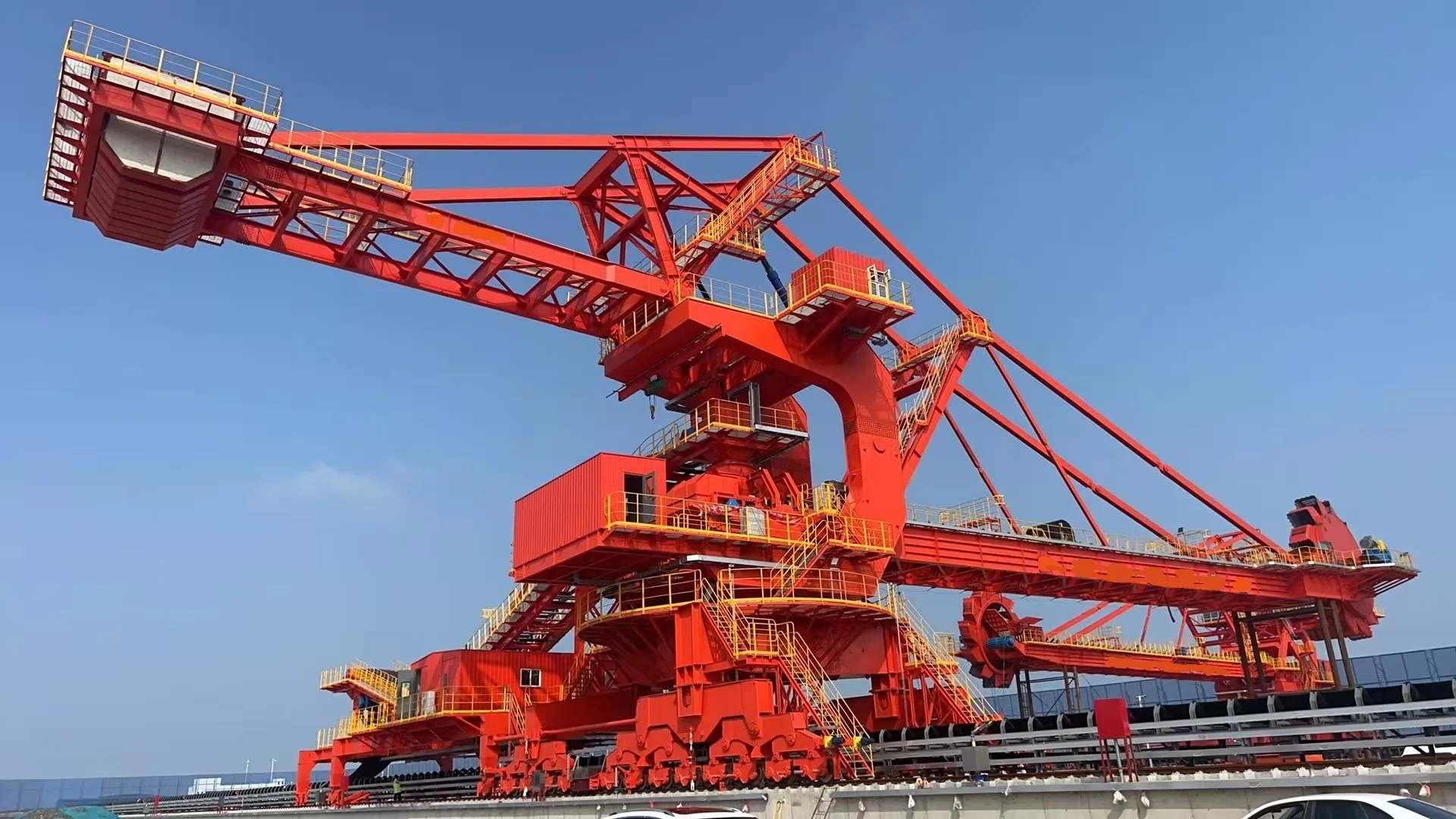

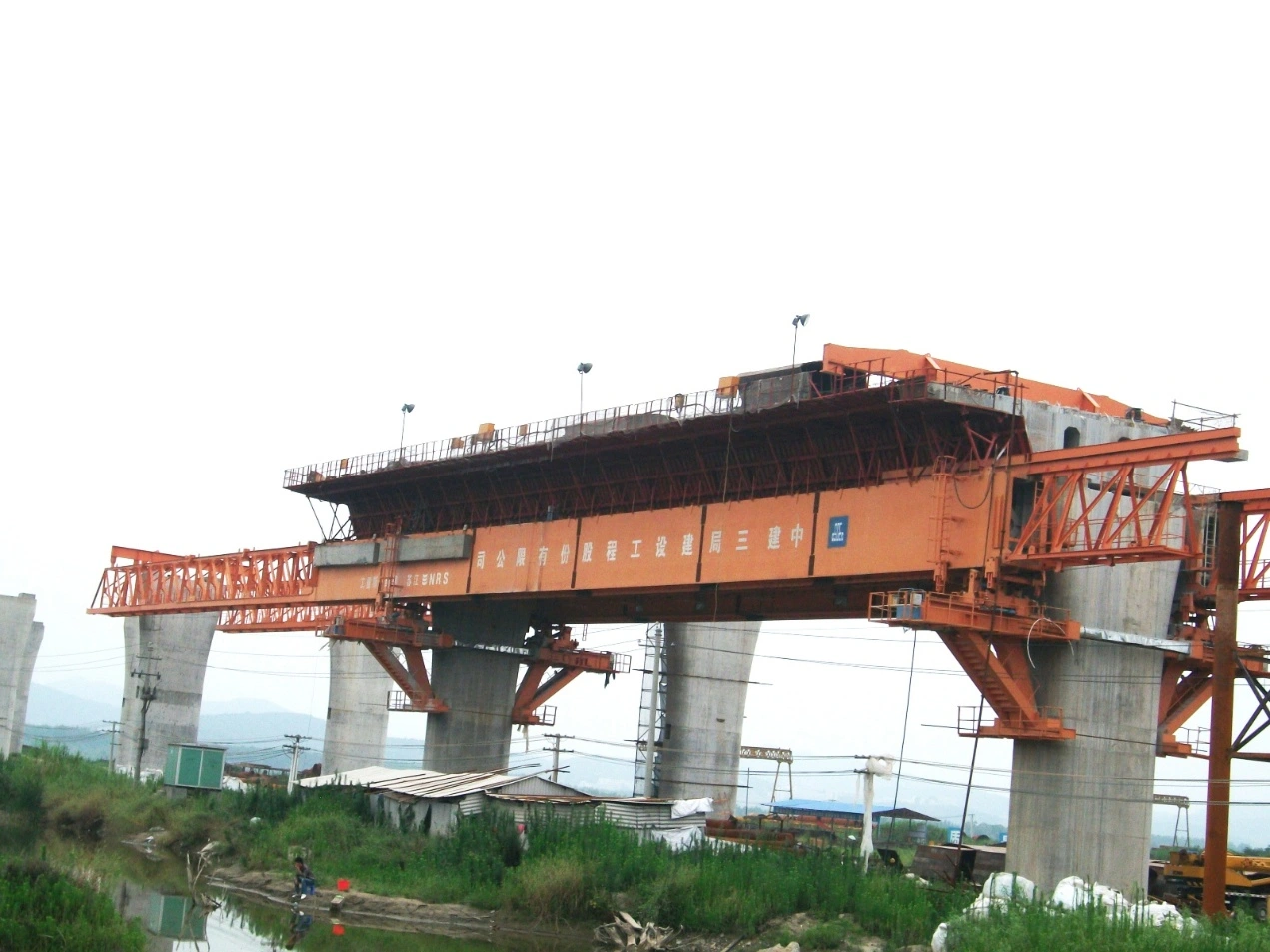

Engineering Fundamentals of Mining Equipment Steel Structures
Load-Bearing Requirements and Structural Analysis
Mining equipment steel structures must accommodate dynamic loads ranging from 50-500 metric tons, depending on application type. Conveyor support frames experience continuous cyclic loading with impact factors of 1.5-2.0, while hoisting structures endure shock loads during emergency braking events. Proper structural analysis requires finite element analysis (FEA) modeling that accounts for:
Dynamic Load Calculations: Peak operational loads combined with acceleration forces during equipment startup/shutdown cycles. Crushing plant frames typically require a design capacity 30% above the maximum operational load to prevent fatigue crack propagation. Stress concentration points at welded joints demand reinforcement through gusset plates or increased member thickness.
Fatigue Resistance Factors: Mining structures operate under 10⁶-10⁸ load cycles over 15-20 year service life. S-N curve analysis determines endurance limits, with high-strength low-alloy (HSLA) steels providing superior fatigue performance. Connection design must limit stress range below 110 MPa for Category C details per AISC specifications.
Vibration Damping Requirements: Equipment generating frequencies between 5-50 Hz requires structural natural frequency separation of a minimum 20% to avoid resonance. Stiffener placement and cross-bracing configurations control deflection limits to L/500 for operational precision.
Material Selection Criteria for Mining Applications
Steel grade selection directly impacts structural performance and total ownership costs. Three primary specifications dominate mining applications:
ASTM A36 (Yield Strength: 250 MPa): Cost-effective baseline material for secondary support structures in controlled environments. Limited to applications below 425°C with minimal corrosion exposure. Typical cost index: 1.0 (reference baseline).
ASTM A572 Grade 50 (Yield Strength: 345 MPa): Preferred specification for primary load-bearing members requiring 38% higher strength-to-weight ratio than A36. Vanadium microalloying provides improved weldability and notch toughness to -45°C. Applications include conveyor bridges and equipment mounting platforms. Cost index: 1.15-1.25.
ASTM A588 Weathering Steel (Yield Strength: 345 MPa): Copper-chromium-nickel alloy forming protective oxide patina reduces corrosion rate to 1/8 of carbon steel in atmospheric exposure. Eliminates paint maintenance costs over 20-year lifecycle. Optimal for outdoor structures in coastal or high-humidity mining sites. Cost index: 1.35-1.50.
Thickness selection follows loading requirements with standard plate availability from 6mm to 100mm. Thicker sections (>50mm) require through-thickness testing per ASTM A770 to verify Z-direction properties preventing lamellar tearing during welding.
Design Standards and Compliance Framework
International Structural Codes for Mining Industry
Compliance with recognized engineering standards ensures structural adequacy and facilitates insurance/financing approvals:
AISC 360 (American Institute of Steel Construction): Specifies allowable stress design (ASD) and load resistance factor design (LRFD) methodologies. Chapter H provisions govern combined stress conditions typical in mining equipment frames. Connection design per Chapter J requires minimum 3/4″ diameter bolts in structural applications with pretension to 70% yield strength.
Eurocode 3 (EN 1993): European projects mandate partial factor method with γM0=1.00 for cross-section resistance and γM1=1.10 for member buckling. Section 4 addresses fatigue using damage accumulation calculations. Annex C provides buckling curves for various cross-sections.
ISO 9001:2015 + ISO 3834: Quality management certification demonstrates fabricator capability through documented procedures covering material traceability, welding personnel qualification, and inspection protocols. ISO 3834-2 (comprehensive quality requirements) appropriate for mining structures versus ISO 3834-3 (standard quality) for non-critical components.
Documentation packages must include material test reports (MTRs) per EN 10204 3.1 standard, providing chemical composition analysis and mechanical property verification from steel mill testing.
Safety and Seismic Design Considerations
Mining structures in seismically active regions (Zones 3-4 per IBC) require lateral force-resisting systems:
Seismic Design Parameters: Response modification factor (R) ranges from 3.0-3.5 for ordinary steel concentrically braced frames. Base shear calculations incorporate site class soil conditions and proximity to fault lines. Equipment anchorage must resist 1.4 times seismic forces to prevent overturning.
Factor of Safety Margins: Static equipment supports maintain minimum FOS of 3.0 under dead load plus maximum operational load. Dynamic applications (vibrating screens, rotary breakers) require FOS ≥ 4.0 accounting for impact amplification. Crane-supporting structures follow CMAA specifications with FOS 1.5 on yield strength under maximum wheel loads.
Hazardous Area Classification: Structures in Zone 1 explosive atmospheres require bonding/grounding provisions per IEC 60079-14. Paint systems must achieve <25 ohm resistance to prevent static accumulation. Aluminum components prohibited due to spark risk during impact.
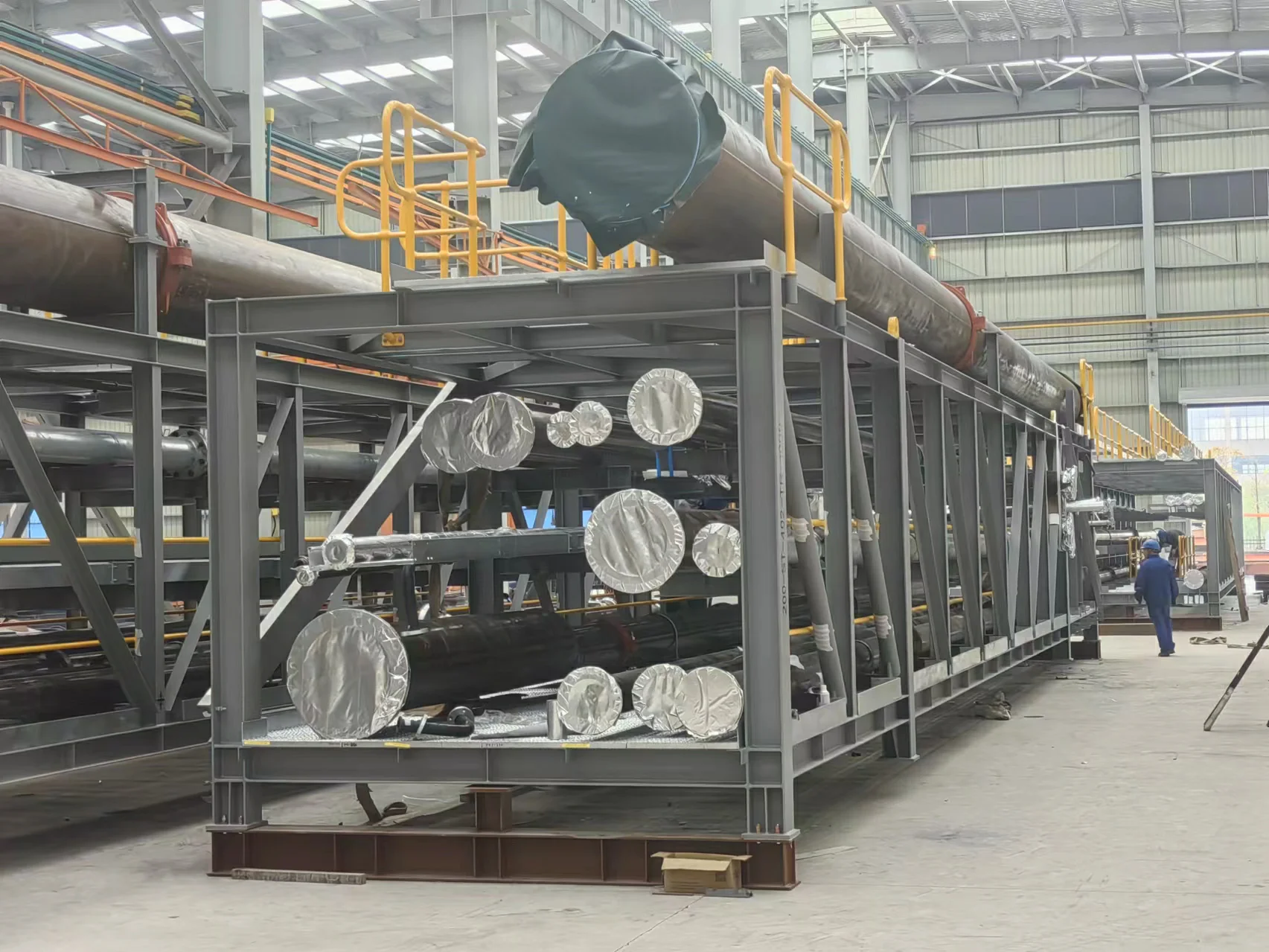
Fabrication Process and Quality Control
Custom Manufacturing Workflow
Modern fabrication facilities integrate digital design data directly into production equipment:
CAD/CAM Integration: 3D models from Tekla Structures or STAAD.Pro export to CNC plasma/oxy-fuel cutting tables with ±1mm positional accuracy. Nesting software optimizes material utilization achieving 85-92% yield from plate stock. Automated marking systems transfer part identification and weld symbols directly onto cut components.
CNC Cutting Precision: High-definition plasma systems maintain perpendicularity within 1° across 25mm plate thickness. Edge quality meets ISO 9013 Range 3 specifications reducing secondary grinding operations. Bevel cutting for weld preparation performed simultaneously with part profiling.
Welding Procedure Specifications (WPS): Qualified per AWS D1.1 through procedure qualification records (PQRs) demonstrating acceptable mechanical properties. Typical mining structure parameters:
- Process: FCAW (flux-cored arc welding) or SAW (submerged arc welding)
- Filler: E70T-1 providing 485 MPa tensile strength
- Preheat: 95°C minimum for sections >25mm thickness
- Interpass temperature: Maximum 260°C to control heat-affected zone (HAZ) hardness
Multi-pass welding on thick sections follows controlled heat input of 1.5-2.5 kJ/mm preventing brittle microstructure formation.
Inspection and Testing Protocols
Quality verification follows documented inspection and test plans (ITPs):
Non-Destructive Testing (NDT) Methods:
- Ultrasonic Testing (UT): 100% volumetric inspection of full-penetration groove welds per ASTM A435
- Magnetic Particle Testing (MT): Surface crack detection on all welded connections
- Radiographic Testing (RT): Critical joints requiring permanent inspection records
Dimensional Tolerance Verification: Coordinate measuring machines (CMMs) verify bolt hole locations within ±1.5mm. Overall assembly squareness maintained to 3mm per 3 meters of length. Flatness of mounting surfaces checked to 2mm deviation across full area.
Surface Treatment Standards: SSPC-SP10 (near-white blast cleaning) preparation achieves 2.5 mil profile for optimal coating adhesion. Zinc-rich epoxy primer systems provide minimum 250 microns dry film thickness (DFT) for C5-M corrosivity category per ISO 12944.
| Steel Grade | Yield Strength (MPa) | Corrosion Resistance | Typical Applications | Cost Index |
|---|---|---|---|---|
| ASTM A36 | 250 | Low (requires coating) | Secondary supports, enclosed structures | 1.00 |
| ASTM A572 Gr. 50 | 345 | Moderate (with coating) | Primary frames, conveyor supports | 1.20 |
| ASTM A588 | 345 | High (self-protecting patina) | Outdoor structures, coastal environments | 1.42 |
| S355J2 (EN 10025) | 355 | Moderate (with coating) | European projects, heavy equipment bases | 1.18 |
Application Scenarios and Commercial Value
Equipment Types and Structural Integration
Different mining equipment categories impose distinct structural requirements:
Conveyor Systems: Support structures span 30-60 meters between foundation points, requiring deflection limits of L/600 to maintain belt alignment. Troughing idler frames experience 150-300 load cycles per hour demanding fatigue-resistant connection details. Elevated conveyors incorporate lateral wind bracing for 140 km/h wind loads per ASCE 7.
Crushing Plants: Primary crusher support frames accommodate 400-800 kN reaction forces during jaw operation. Structural steel interfaces with concrete foundations through embedded anchor bolts designed for combined tension and shear. Vibration isolation pads reduce transmitted forces by 60-75%.
Hoisting Frames: Headframes for shaft hoisting systems support 50-150 metric ton suspended loads with dynamic amplification factors of 1.25-1.50. Sheave wheel support beams require Class 1 compact sections preventing local buckling. Lightning protection integration per NFPA 780 mandatory for structures exceeding 20 meters height.
Total Cost of Ownership Analysis
Procurement decisions require lifecycle cost evaluation beyond initial capital expenditure:
Initial Investment Factors: Custom fabrication costs range $2,800-$4,500 per metric ton depending on complexity, with structural steel representing 40-55% of total installed cost. Engineering design fees add 8-12% for complex geometries requiring advanced analysis. Galvanizing or specialized coatings contribute $800-$1,200 per ton additional cost.
Lifecycle Durability Benefits: Properly designed structures achieve 25-30 year service life versus 12-15 years for under-specified alternatives. A588 weathering steel eliminates repainting cycles costing $35-$50 per square meter every 7-10 years. Fatigue-resistant detailing prevents crack propagation requiring emergency repairs averaging $15,000-$40,000 per incident.
Maintenance Interval Optimization: Bolted connections facilitate component replacement versus welded assemblies requiring hot work permits and extended downtime. Modular design enables partial structure replacement during planned shutdowns rather than complete equipment decommissioning.
Replacement Cost Avoidance: Premature structural failure triggers production losses of $50,000-$200,000 per day in medium-scale operations. Structural redundancy through load path diversity maintains 50% operational capacity during repairs versus total shutdown scenarios.
FAQ Module
Q1: What is the typical lead time for custom steel structure fabrication for mining projects?
Standard lead times range 10-16 weeks from purchase order to delivery, subdivided into: engineering/detailing (3-4 weeks), material procurement (2-3 weeks), fabrication (4-6 weeks), and coating/finishing (1-2 weeks). Expedited schedules achieve 8-week delivery with premium pricing of 15-25% above standard rates. Projects requiring specialized steel grades or third-party testing add 2-3 weeks. International shipping introduces 3-6 weeks transit time depending on origin/destination ports.
Q2: How do you ensure structural integrity in high-vibration mining equipment applications?
Vibration mitigation employs three primary strategies: (1) Structural frequency tuning through member sizing to maintain natural frequencies 20% above/below operating frequencies; (2) Damping enhancement via viscoelastic interlayers or tuned mass dampers reducing amplitude by 40-60%; (3) Connection detailing using slip-critical bolted joints with Class A faying surfaces preventing fretting fatigue. Field verification through operational modal analysis confirms predicted dynamic behavior post-installation.
Q3: What documentation is required for cross-border procurement of industrial steel structures?
International transactions require: material certificates per EN 10204 3.1 standard confirming chemical/mechanical properties; welding procedure qualifications (WPQs) per applicable code; dimensional inspection reports with certified measurements; coating thickness certificates; country-of-origin declarations for tariff classification; and fumigation certificates for wooden shipping materials per ISPM-15. Projects financed by development banks demand additional third-party verification per IFC Performance Standards.
Successful procurement of steel structures for mining equipment depends on aligning engineering specifications with operational demands, verifying fabricator compliance with international standards, and evaluating total lifecycle costs beyond initial pricing. Critical decision factors include: selecting appropriate steel grades balancing strength requirements with corrosion resistance (A588 weathering steel reduces maintenance costs by 60% in exposed applications); confirming ISO 3834 certification demonstrating quality management capability; and specifying fatigue-resistant connection details extending service life to 25+ years. Procurement teams should require detailed fabrication procedures, third-party inspection protocols, and comprehensive warranty terms covering material defects and workmanship for minimum 24 months post-installation. Strategic supplier partnerships with fabricators maintaining engineering support capabilities enable design optimization reducing material costs by 12-18% while improving structural performance through advanced analysis techniques.