


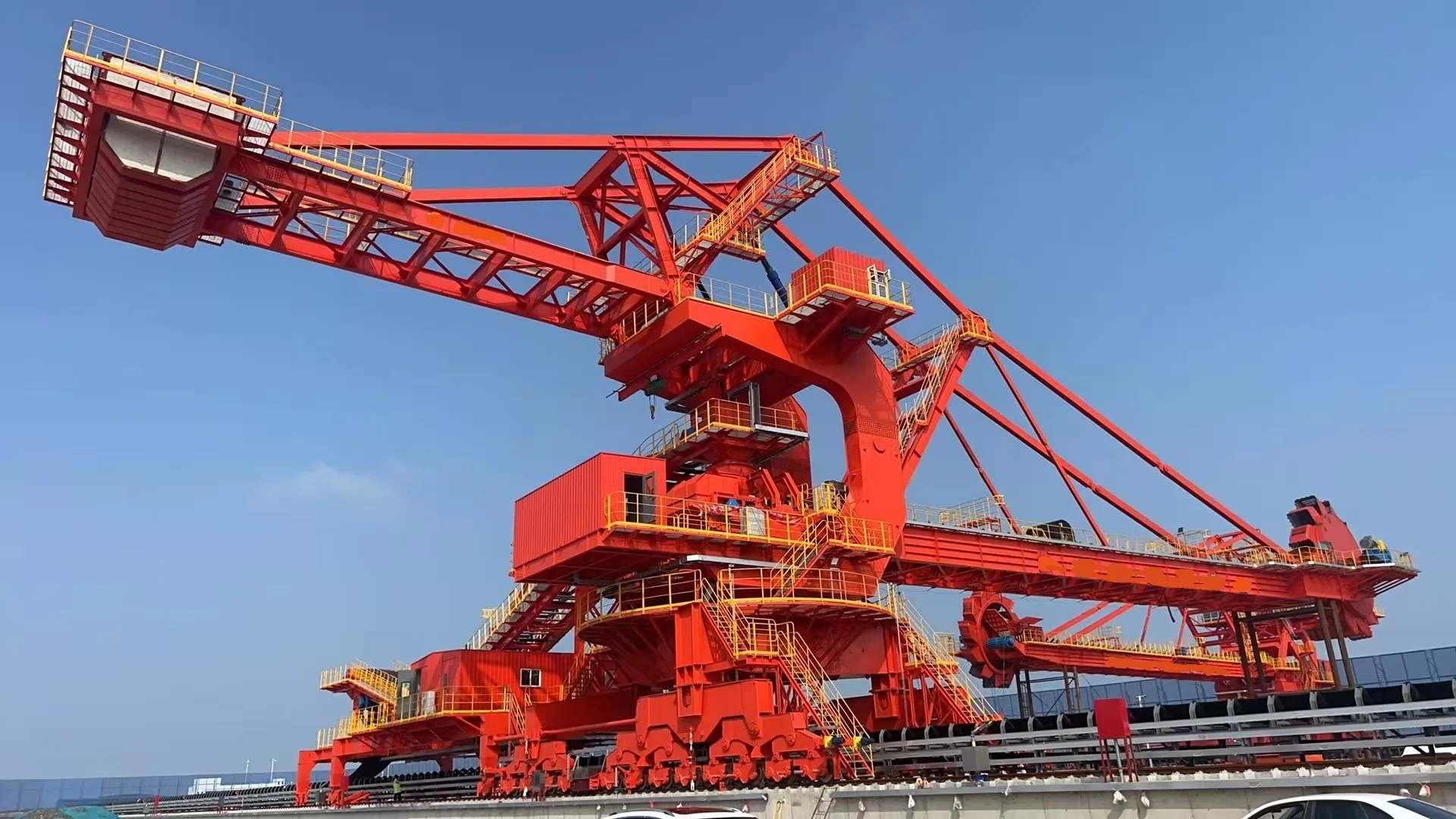

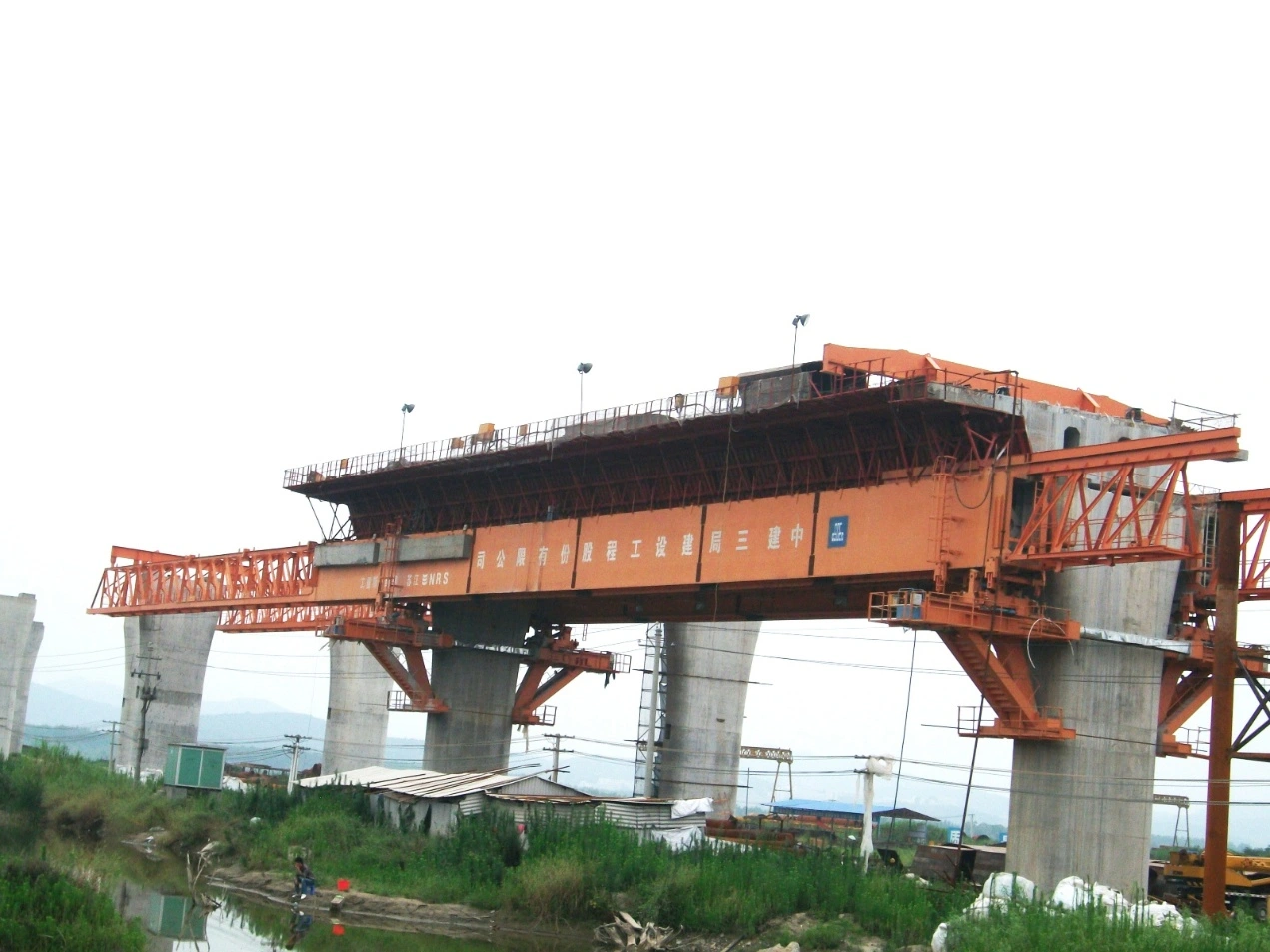

In the majority of projects that require structural support, the choice of system for structural support is made early on, often before the full magnitude of the project has been revealed. Reinforced concrete and masonry are common and have been supported by decades of local experience. This familiarity facilitates their selection by default rather than by intentionally comparing them. Contrastingly, steel structures are typically only employed when a project has demonstrated a significant amount of difficulty with the conventional assumptions associated with time, space, or intended future utilization.
The choice to utilize a steel structure over traditional methods of construction is often a result of multiple benefits. It’s typically caused by multiple forces converging. Schedules that are tight, the demands of the site, functional changes that are evolving, and long-term financial considerations all contribute to the steel being the most practical solution. To understand when this shift occurs, it’s beneficial to focus on the way projects behave in actual conditions rather than on the early design stages.
Time pressure and the reality of construction schedules
Today, time is not simply a planning factor; it is also a monetary one. Delays have an effect on the cost of financing, contractual obligations, staffing plans, and potential market opportunities. Traditional building methods are heavily dependent on consecutive procedures. Foundations are poured; concrete is cured, the formwork is removed, and only then can the following stage occur. The weather, labor availability, and site coordination all contribute to uncertainty.
Different steel structures will respond to these limitations differently. Components of structural engineering are manufactured away from the site while the excavation and foundation work take place simultaneously. This overlap abbreviates the length of the critical path for the project. Once the steel components have arrived at the construction site, the process of erection can be rapid and typically requires no additional weather conditions. Bonded connections take over many of the slow, wet processes that predominate in concrete construction.
For manufacturing facilities, distribution centers, and commercial endeavors that are tied to specific operational deadlines, this advantage becomes significant. The distinction between the opening date in October or December is associated with the success of a warehouse or distribution center. In this instance, steel is employed because it decreases ambiguity andpreserves the schedule that can’t be put off.
Space efficiency and functional flexibility
As buildings become more specialized, the interior of a building is of greater importance than the exterior. Many modern facilities are built around the flow of processes, the equipment is organized around this, or the efficiency of storage is maximized instead of traditional room design. Steel structures are able to support these requirements by allowing for long spans with relatively light structural members.
Traditional concrete construction has a tendency to be large, but it is typically accompanied by a heavier foundation, thicker slabs, and deeper beams. These components decrease the clarity of the design and impede interior organization. Steel frames, having a high strength-to-weight ratio, allow designers to create interior spaces that are wide and open, but still have an adaptable structure over time.
This versatility is increasing in importance as the building is being inhabited. Production lines are altered, tenants are switched over, and regulatory obligations increase. Steel structures have a more malleable reputation. Columns can be augmented, beams can be lengthened, and new entrances can be incorporated without negatively impacting the entire system. Concrete structures that are cast will continue to resist alterations. Changes often necessitate the destruction of the building instead of simple repairs.
There are specific building types where this flexibility consistently favors steel:
-
Manufacturing plants where equipment layouts evolve over time
-
Warehouses and logistics centers that require reconfiguration
-
Commercial spaces designed for multiple future tenants
In these environments, steel is less about initial construction and more about keeping options open.

Site conditions and structural efficiency
Not all construction sites are created with the same level of access. The soil, groundwater, seismic risk, and accessibility frequently have a greater influence on structural decisions than intended design. Traditional methods of construction are adaptations to bad ground conditions that increase the complexity and size of the foundation. This method is effective, but it can easily overwhelm project budgets.
Steel structures have a different approach. Because steel frames are less dense than their concrete counterparts, they diminish the weight of the foundation. Smaller foundations have less to excavate, less to concreto, and less to improve the ground. On land with limited capacity for bearing or high water, this decrease can have a significant effect on the simple construction of the project.
In areas with seismic activity, steel structures have additional benefits. The steel’s flexibility enables it to consume and dissipate energy through controlled deformation, rather than through the brittle failure that occurs with other materials. This behavior promotes structural stability and concords with modern approaches to seismic design. While reinforced concrete can also be designed to have a seismic capacity, it typically requires more substance and more intricate detail.
When problems at the site begin to amplify the cost of traditional construction, steel structures are often the most effective solution.
Quality control and predictability in execution
The quality of construction is not solely dependent on the intended design. It’s primarily based on how well the intent is implemented in physical endeavors. Traditional construction employs large amounts of labor on site; the amount of labor is variable based on the level of skill, supervision, and local traditions. Even sites that are well-managed show variability.
Steel structures transfer most of this danger to controlled environments in the factory. The processes of fabrication allow for precise control over the dimensions, standardized procedures for welding, and consistent methods of treating the surface. Troubles are recognized more early on, the implementation of corrective actions is simpler, and variability is lower before components are actually delivered to the site.
This predictability is of special importance in large projects and foreign expansions. When steel components are made by experienced suppliers and assembled in the local area, the quality of the structural system is less reliant on the specific conditions of the site. This is one example of why steel structures are commonly employed in projects that require export-oriented construction or pre-fabricated components.
Cost beyond initial material prices
One of the most commonly disregarded misconceptions about steel structures is that they are always more costly. This supposition is typically derived from the comparison of individual material prices. In practice, the cost of construction is the total cost of materials, labor, time, funding, and long-term viability.
Steel structures diminish the effort needed and reduce the schedule. Fewer days of employment on site lead to lower costs of supervision, less equipment rental, and less exposure to weather-related impediments. Faster completion also leads to an increase in revenue, whether via production, rental, or occupation.
Over the course of time, steel structures have often continued to be beneficial financially. Changes, additions, and sửa chữa are typically less intrusive. In some instances, steel components have a residual value at the conclusion of a building’s life, which changes the way that demolition and redevelopment are conducted.
When the costs of the project are evaluated over the full lifespan of the project, steel structures often have a favorable comparison to traditional construction.
Long-term adaptability and asset value
Buildings are long-term investments, but their purposes are rarely consistent. Conditions on the market evolve, technology develops, and ownership changes. Adaptive structures have a value that can be maintained, while non-adaptive structures are liabilities.
Steel structures are designed to be versatile. Vertical additions, lateral expansions, and internal reorganizations are more likely to be successful. Even when changes were not foreseen, steel frames facilitated the intervention of engineers in a selective manner rather than in a comprehensive manner.
Traditional methods often lead to decisions that are difficult to alter during the project. What begins as a simple savings choice can become an obstacle later on. Developers and investors recognize this danger increasingly, especially in regard to industrial and commercial real estate. Steel structures serve as a form of protection against future ambiguity.
Where traditional construction remains appropriate
None of this suggests that traditional construction methods are obsolete. Smaller residential buildings, projects emphasizing thermal mass, or structures rooted in local material traditions may still favor concrete or masonry. In some cases, local codes, labor markets, or cultural expectations make traditional methods the practical choice.
The mistake is not choosing concrete, but choosing it automatically. Steel structures earn their place when project conditions align with their strengths rather than when they are adopted indiscriminately.
Making a rational structural choice
Selecting a steel structure over traditional methods of construction is primarily about the alignment. When speed, flexibility, quality control, and value over time are more important than familiarity, steel is the natural choice. It’s not a universal answer, but in the right situation, it’s a strategic approach.
As projects that require construction become more intricate and expectations increase, decisions based on common practice become increasingly uncertain. Steel structures represent a shift towards structures that take into account the actual progression of events, rather than just how they appear during planning.