




Introduction
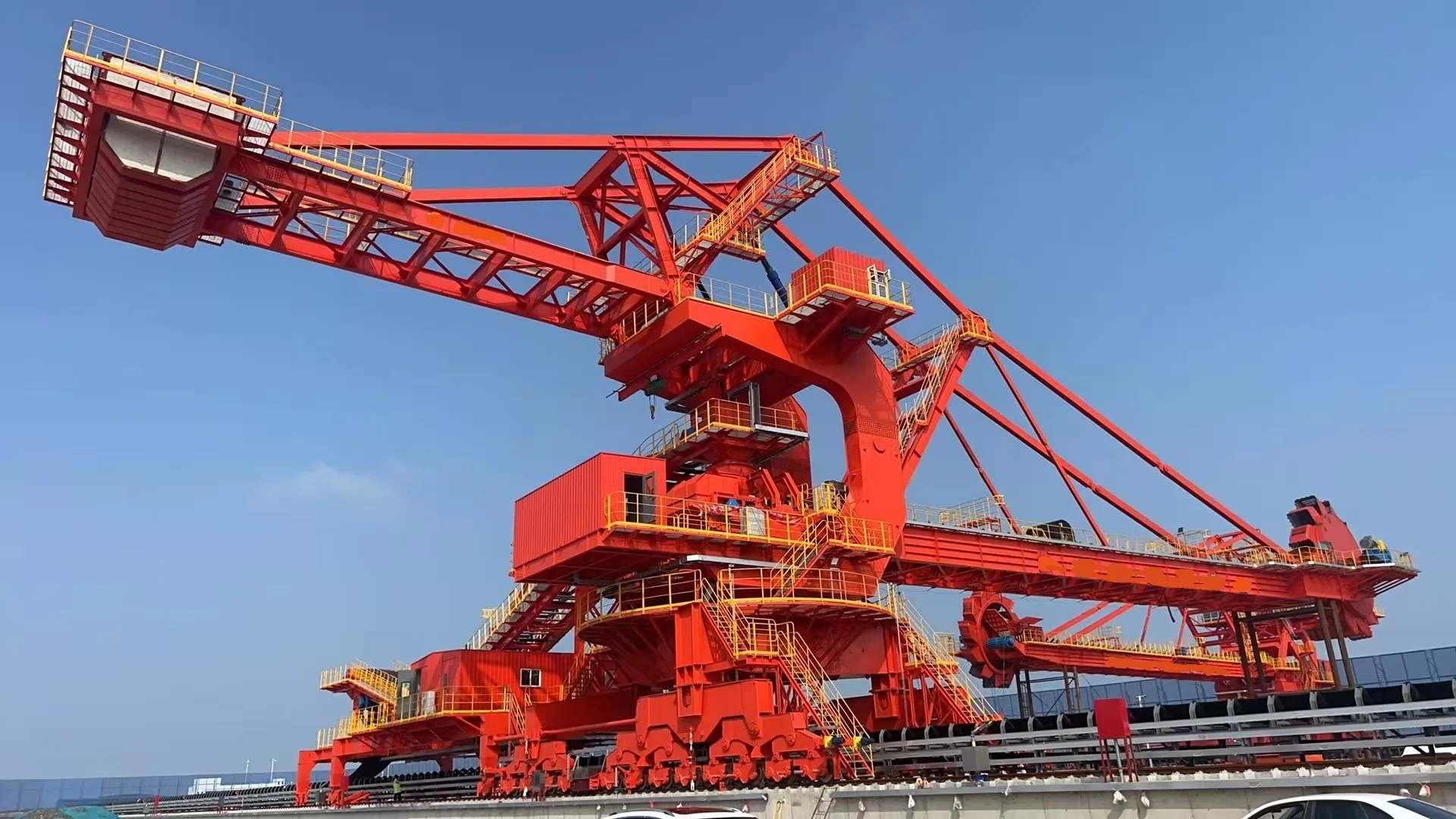
Walk through any busy port terminal, and you’ll notice them everywhere — long, elevated steel walkways carrying endless belts of coal, iron ore, grain, or fertilizer from ships to stockpiles. These are conveyor steel structures, the true backbone of modern port material handling.
Even a single failure in one of these structures can bring operations to a standstill. At a major bulk cargo terminal, a broken conveyor steel structure could halt ship unloading for days, racking up hundreds of thousands in demurrage fees. Yet, surprisingly, many buyers still treat this essential infrastructure as an afterthought — choosing the cheapest option and paying the price later in corrosion repairs, structural fatigue, and unexpected downtime.
So, what makes a conveyor steel structure indispensable for efficient harbor operations? Let’s explore the engineering realities behind these critical frameworks.
Harbor environments destroy ordinary steel at an alarming rate.
Harbor environments are far more aggressive than most industrial settings, and steel degradation happens faster than many operators expect. In coastal and marine conditions, unprotected steel exposed to salt spray and moisture can lose up to 60% of its service life compared to inland installations. That is not a marginal difference — it is the gap between a structure lasting fifteen years and one beginning to fail in less than five.
So what drives this rapid deterioration?
In ports, steel is constantly exposed to a combination of corrosive forces working at the same time. Salt spray delivers chloride ions that penetrate coatings and trigger pitting corrosion. High humidity — often above 80% — keeps surfaces damp for long periods, accelerating electrochemical reactions. On top of that, continuous wet-dry cycles caused by tides, rainfall, and wash-down operations create oxygen concentration cells that gradually attack the steel from within.
For a conveyor steel structure, this changes everything. A standard industrial steel frame cannot simply be installed near the coastline and expected to perform reliably. The environmental load is fundamentally different. Harbor conveyor steel structures must be designed from the outset with corrosion resistance as a core engineering requirement — not an optional upgrade.
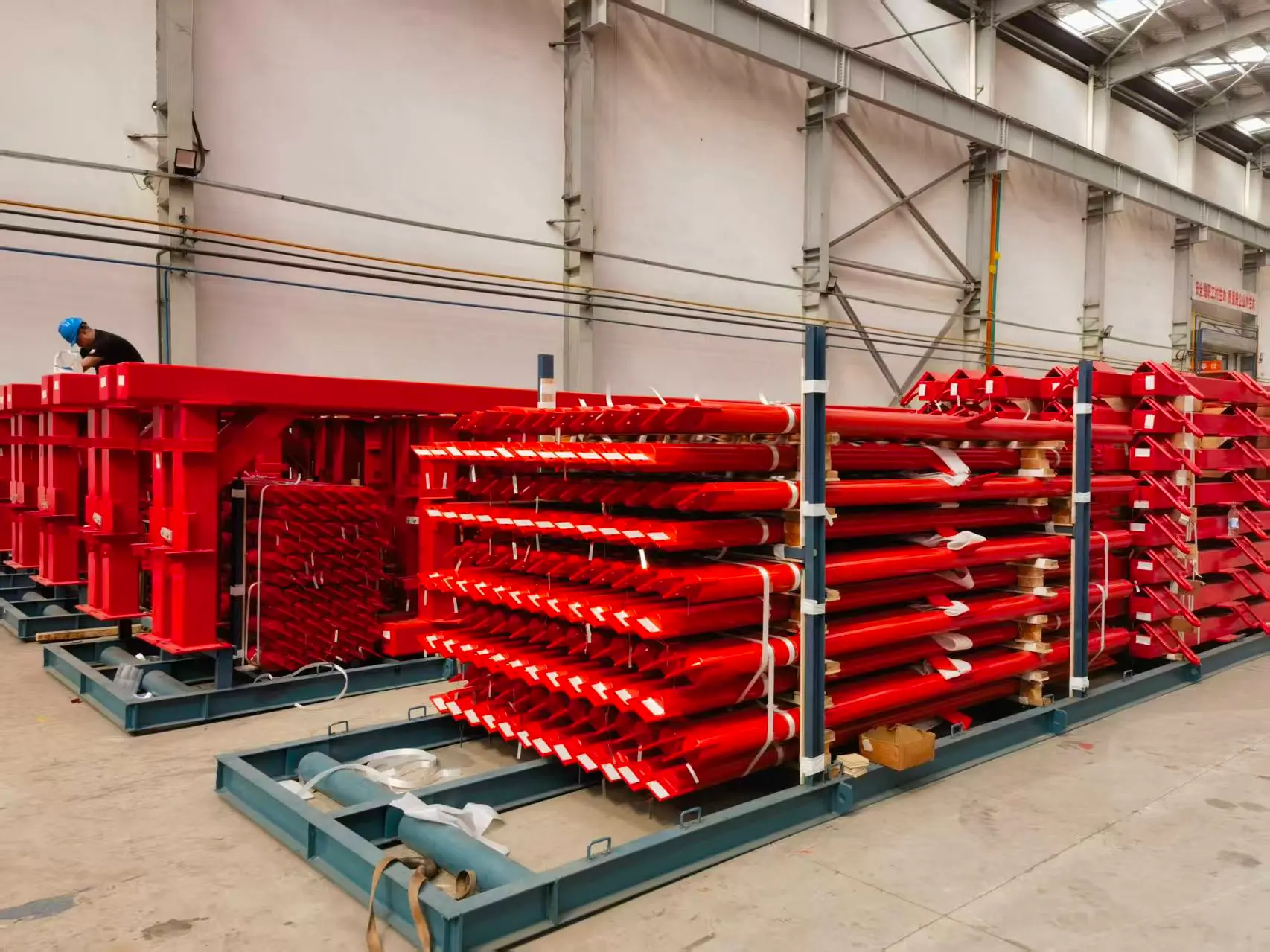
A well-designed conveyor steel structure handles extreme mechanical loads
Corrosion is one enemy. Gravity and momentum are another.
Port conveyor systems handle some of the heaviest material flows in industry. A single modern port conveyor line can carry up to 20,500 tons per hour of bulk material, running on belts up to 2.4 meters wide at speeds reaching 6.5 meters per second. That much material moving at that speed generates enormous dynamic forces that the supporting steel structure must absorb continuously.
The loads come from multiple directions:
-
Dead loads — The weight of the conveyor structure itself, including steel members, belt, idlers, drive units, and walkways.
-
Live loads — The weight of material being transported, which can vary dramatically from empty to fully loaded.
-
Dynamic loads — Vibrations from belt motion, impact forces at loading and transfer points, and acceleration/deceleration forces during start and stop cycles.
-
Environmental loads — Wind pressure (critical for tall conveyor galleries in exposed coastal locations), seismic forces in active zones, and thermal expansion stresses.
-
Operational loads — Maintenance personnel walking on galleries, equipment placed during repairs, and concentrated forces at drive stations and tail ends.
Engineers analyze these loads using computer-aided design software, creating 3D models that simulate how the conveyor steel structure behaves under real operating conditions. Each steel member — columns, beams, trusses, bracing systems — is sized and positioned to handle specific stress patterns.
The table below shows how different steel grades perform under structural load requirements relevant to port conveyor applications:
| Steel Grade | Yield Strength | Tensile Strength | Primary Use in Conveyor Steel Structure |
|---|---|---|---|
| ASTM A36 | 250 MPa (36 ksi) | 400–550 MPa | Non-critical platforms, walkways, secondary members |
| ASTM A992 | 345 MPa (50 ksi) | 450 MPa (65 ksi) | Primary structural framing, high-stress zones |
| S355JR | 355 MPa (51 ksi) | 470–630 MPa | Seismic-resistant connections, cold environments |
When designing conveyor steel structures for high-stress port environments, ASTM A992 has become the preferred material for primary load-bearing members because it offers 345 MPa yield strength — nearly 40 percent higher than A36 — while maintaining excellent weldability and ductility. For coastal ports in seismically active regions, S355JR provides enhanced low-temperature toughness that resists brittle fracture under cyclic loading.
Three conveyor steel structure types serve different port handling needs
Not all conveyor steel structures are the same. Port material handling operations typically use three distinct structural configurations, each suited to different functional requirements.
Portal frame steel structures use rigidly connected columns and rafters forming moment-resisting frames. They are commonly employed for bulk storage sheds and enclosed conveyor galleries where moderate spans and wind resistance are primary concerns. These structures efficiently resist vertical loads, wind pressure, and seismic forces while providing covered protection for the conveyor system below.
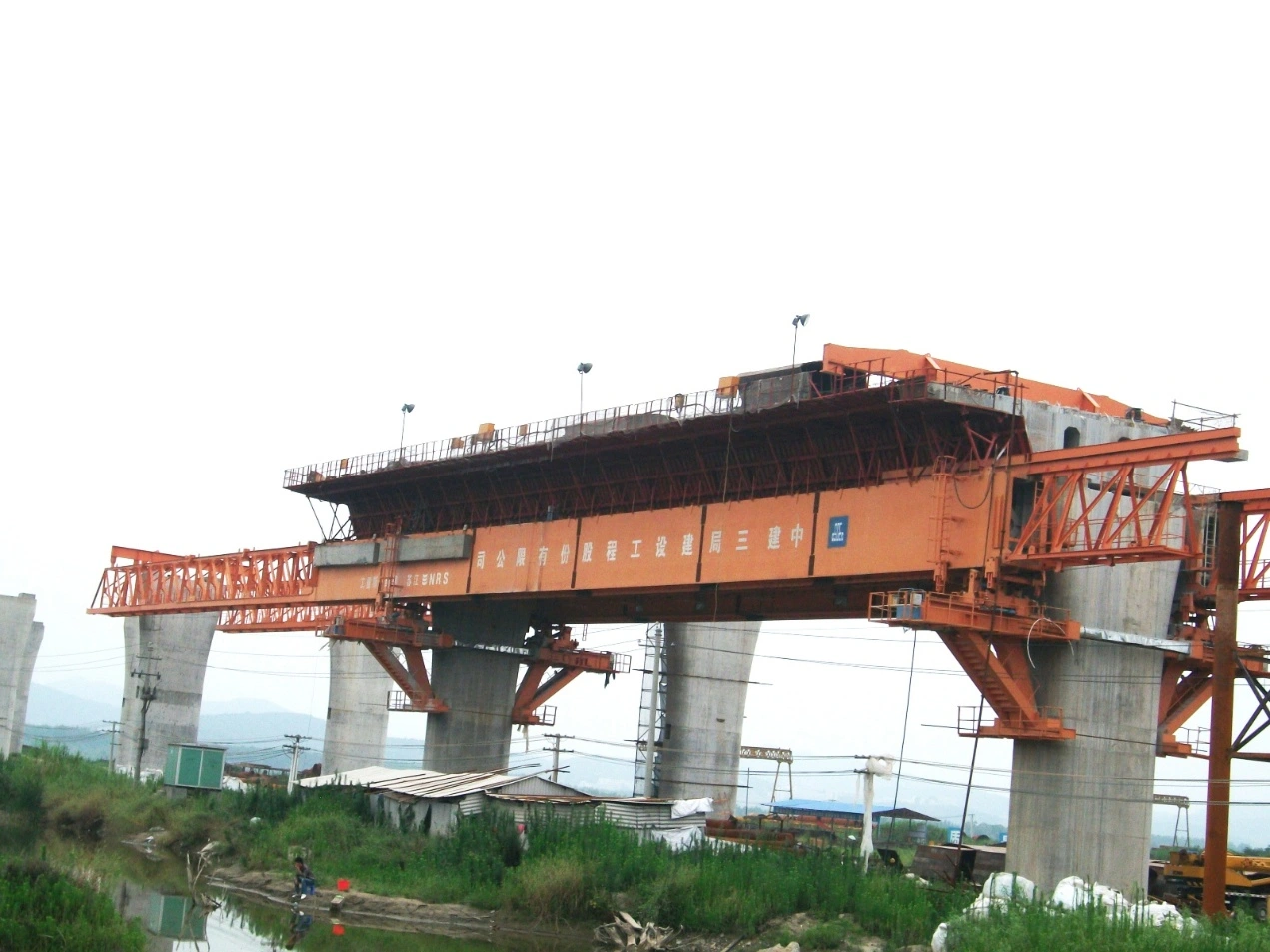
Truss-based steel structures use triangulated steel members to distribute loads efficiently over long distances. This configuration reduces bending moments and lowers overall steel consumption while maintaining structural integrity across spans that can exceed 100 meters. Truss-type conveyor steel structures are the standard choice for long overland conveyor lines that cross roads, rail lines, or other port infrastructure.
Structural steel platforms are multi-level frames designed to support conveyor drives, transfer towers, and screening equipment. These conveyor steel structure configurations must withstand concentrated equipment loads and dynamic vibrations from rotating machinery. Structural analysis for platforms includes fatigue assessment and vibration control to ensure operational safety.
The choice between these types depends on your specific material handling requirements. A short in-plant transfer conveyor can use a simple portal frame. A 4.6-kilometer overland line carrying iron ore from a ship unloader to a stockpile requires a continuous truss structure with multiple intermediate support towers.
Steel grade selection directly affects conveyor structure service life
The service life of a conveyor steel structure in harbor environments is determined first and foremost by material selection. Once the steel is chosen, most of its long-term performance is already defined — coating systems can only extend protection, not fundamentally change material behavior.
In port engineering, corrosion protection typically starts with a combination of hot-dip galvanizing and protective coating systems. Galvanizing forms a zinc layer, usually 50–100 microns thick, which isolates the steel from direct environmental exposure. More importantly, it provides sacrificial cathodic protection when the surface is scratched or damaged — a critical advantage in aggressive coastal conditions where maintenance access is limited.
For extreme exposure zones — such as pier-mounted conveyors or structures within the splash zone — 316L stainless steel is sometimes used. The addition of molybdenum significantly improves chloride resistance, offering roughly three times the seawater corrosion resistance of 304 stainless steel.
However, the majority of port conveyor steel structures rely on a more cost-balanced approach:
- ASTM A36 or A992 structural steel
- Combined with hot-dip galvanizing (standard protection layer)
Key differences in practical use:
- A36: widely used for secondary members and general structural frames
- A992: preferred for primary load-bearing components due to higher yield strength (345 MPa vs 250 MPa)
- Higher strength allows lighter structural design and reduced steel tonnage, lowering transportation and installation costs for prefabricated conveyor galleries
In practice, most engineers optimize around A992 for main frames and A36 for secondary elements to balance cost and durability.
Real-world port installations prove the value of engineered steel systems
Engineering decisions are ultimately validated in operation, not in design documents.
A well-documented example comes from Caofeidian Port in Tangshan, China, a major deep-water bulk handling hub. A 4,600-meter conveyor system operating under continuous exposure to salt spray, humidity, and abrasive ore dust experienced severe corrosion challenges over time.
After implementing an upgraded corrosion protection strategy on the conveyor steel structure, the results were significant:
- Service life extended beyond 15 years
- Maintenance costs reduced by approximately 30%
- Project execution completed in 40 days with zero operational downtime
- Surface treatment efficiency improvements reduced overall coating costs by 40–60%
These results highlight a simple but critical principle:
A properly designed conveyor steel structure is not just a capital asset — it is a long-term cost control system.
Multi-layer coating systems protect conveyor steel structures from salt attack.
In harbor environments, material selection alone is not sufficient. Coating systems provide the second layer of defense for a conveyor steel structure, especially in continuously corrosive conditions.
Most industrial port systems use a three-layer protective coating structure:
- Primer layer (Epoxy zinc-rich, ≥80% zinc content)
Provides cathodic protection directly on the steel surface - Intermediate coat (Epoxy MIO)
Creates a dense barrier structure, forming a “labyrinth effect” that slows moisture and chloride penetration - Topcoat (Polyurethane or Fluorocarbon)
Provides UV resistance, weather protection, and long-term surface durability
For high-corrosion environments such as ship loaders or tidal zone conveyors, this system is often designed according to ISO 12944 C5 standards, which define requirements for very high corrosivity conditions.
In the most demanding applications, fluorocarbon topcoats are selected for conveyor steel structures with service life targets exceeding 20 years, especially where maintenance access is difficult or downtime costs are high.
Maintenance access and safety features are built into smart conveyor designs.
A conveyor steel structure that cannot be safely maintained is a structure that will fail prematurely. Smart designs build maintenance access into the steelwork from day one.
OSHA standards require walkways not less than 914 millimeters (36 inches) wide, supported directly from the structural steel framing for the entire length of the conveyor. These walkways must be complete with handrails and metal non-slip grating.
Beyond basic walkways, thoughtful conveyor steel structure design includes:
-
Ladder cages and rest platforms for vertical access to elevated galleries
-
Tie-off points for fall protection equipment
-
Removable access panels near drive units and tail pulleys
-
Adequate lighting and mounting points for night operations
-
Clearance for mobile maintenance equipment
Missing any of these features turns routine inspections into safety hazards. And when inspections become difficult, they stop happening. Corrosion goes unnoticed. Loose bolts stay loose. Small problems become major failures.
Structural optimization reduces material cost without sacrificing strength
Here is a number that port terminal operators and engineering firms should know. Appropriate structural choices for conveyor steel support systems can achieve mass reduction of up to 35 percent compared to non-optimized designs.
That is not a hypothetical figure. A 2023 academic study published in the journal Structures developed a complete methodology to optimize real conveyor support structures using the Enhanced Particle Swarm Optimization algorithm. The research considered realistic loads and restrictions imposed by international technical codes, including stress, displacement, buckling, frequency, and acceleration limits.
The practical implication is straightforward. For a 500-meter conveyor line, 35 percent mass reduction could save 50 to 100 tons of structural steel — representing tens of thousands of dollars in material cost, plus proportional savings in freight, foundation work, and installation labor.
However, optimization requires expertise. Undersizing a conveyor steel structure to save money without proper engineering analysis leads to excessive deflection, vibration, and premature fatigue failure. The goal is not simply lighter steel. It is efficiently distributed steel.
Conclusion
Harbor environments are harsh on steel. Proper material selection, coating systems, and structural design can extend service life, cut maintenance by 30%, and reduce application costs by up to 60%.
A conveyor steel structure is engineered infrastructure, not a commodity. Correctly specified, it ensures reliable port operations; poorly specified, it increases downtime and costs.
Ready to secure long-term performance? Visit the Steel Structure for Conveyor product page to review specs and request design assistance. Don’t let corrosion and fatigue shorten your system’s lifespan. Build it right from the steel up.