


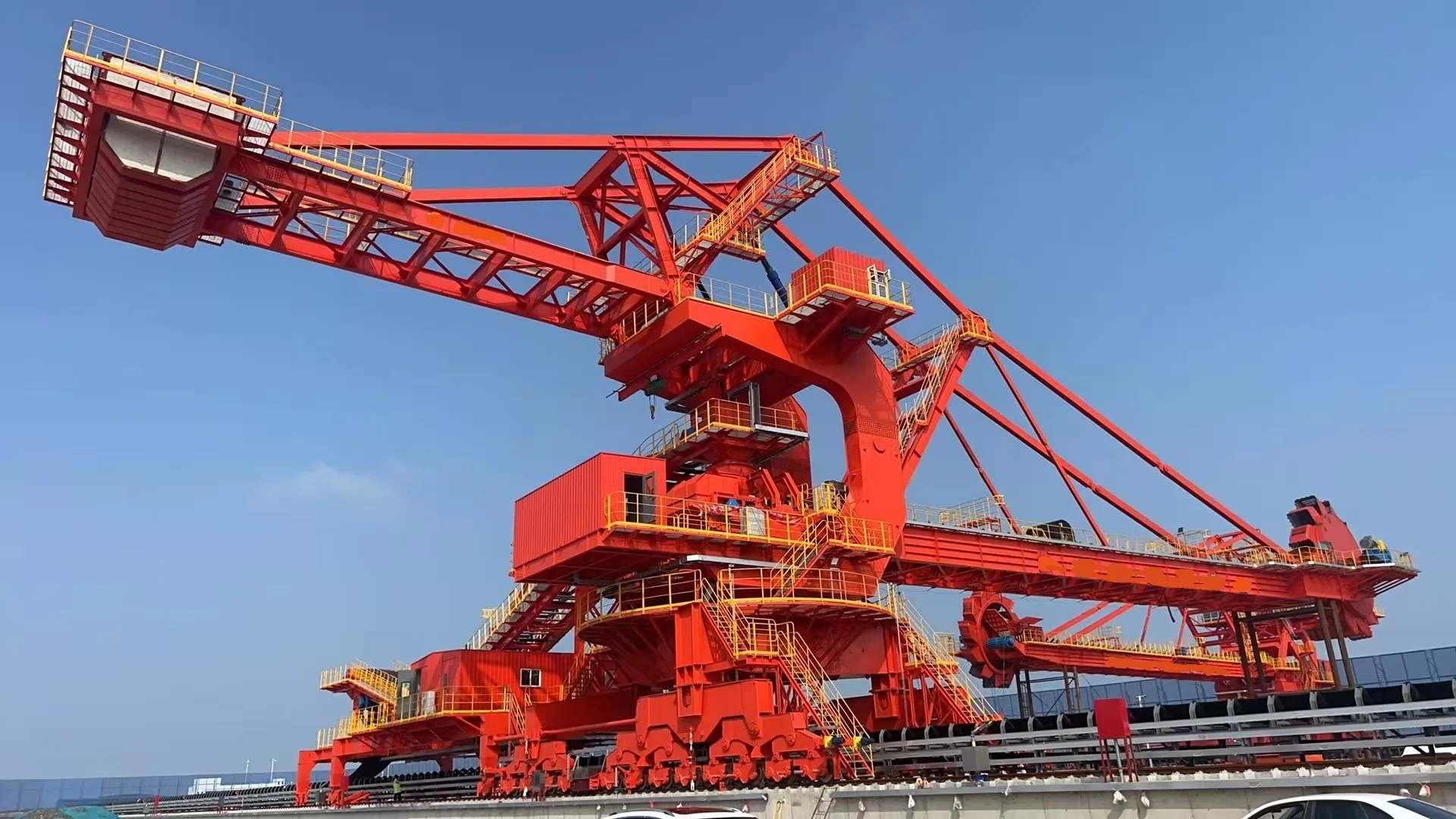

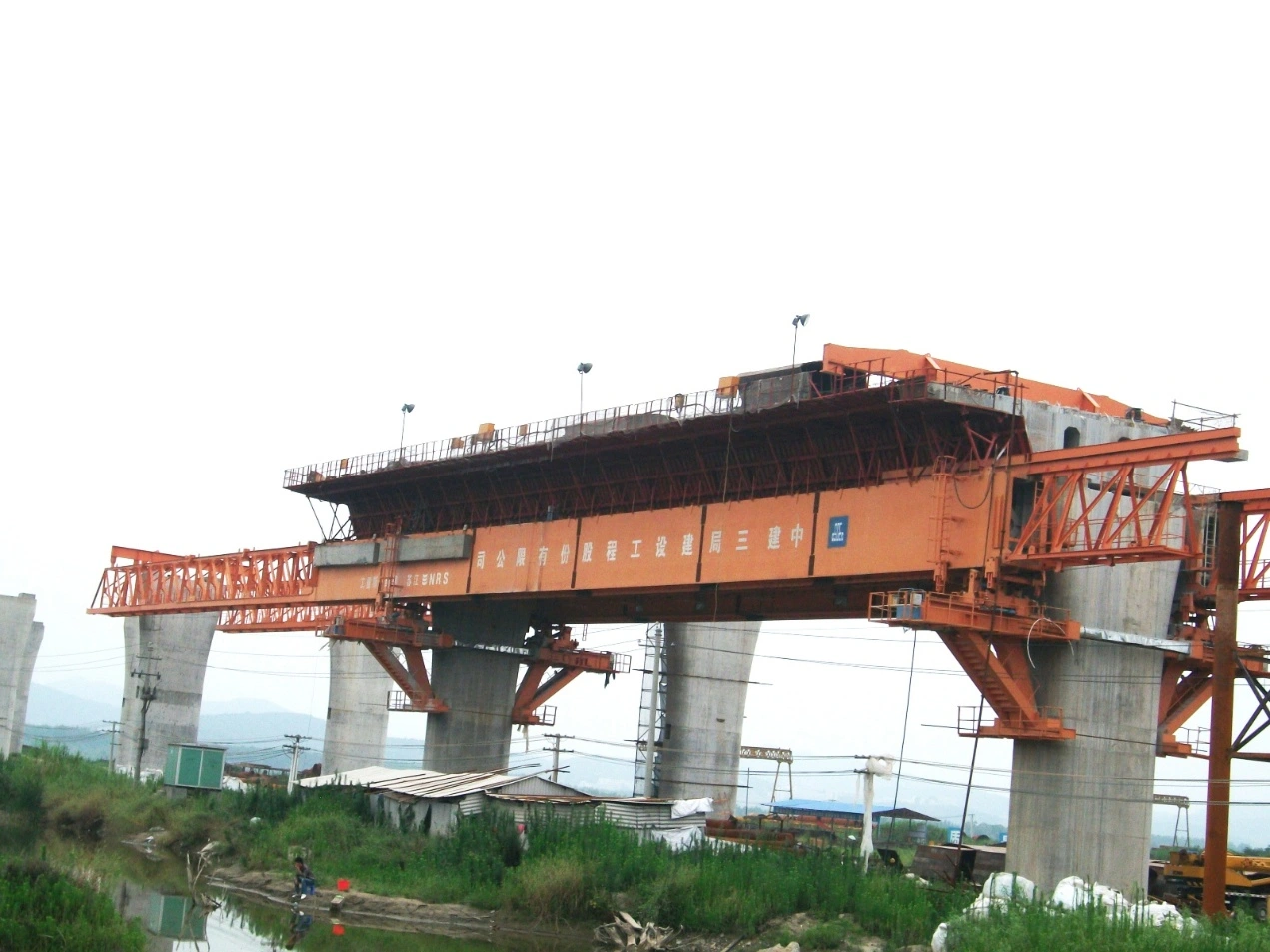

Bridge construction represents one of the most complex and demanding sectors of civil engineering. Unlike conventional building projects, bridges must span vast distances, carry heavy loads, and endure environmental stresses over decades. In this context, Bruelagingsutstyr plays an indispensable role in ensuring structural integrity, construction efficiency, and worker safety. Modern bridges rely on an array of machinery, from heavy-duty cranes and pile drivers to automated deck-laying systems, to perform tasks that would be time-consuming or impossible with manual labor alone.
The evolution of bridge construction equipment reflects the industry’s demand for precision and speed. Manual methods, once sufficient for short-span or simple bridges, cannot meet the tolerance and throughput requirements of contemporary infrastructure. Specialized machinery ensures that heavy materials are lifted safely, concrete is poured with minimal waste, and bridge segments are aligned with exacting precision. Understanding the various types of equipment, their performance factors, and their application in real-world projects is essential for contractors, engineers, and project managers aiming to deliver quality bridges efficiently.
Types of Bridge Construction Equipment and Their Functions
Bridge projects require a variety of machinery, each designed to address specific construction challenges. The following are key categories of Bridge Construction Equipment:
-
Heavy-duty cranes: Essential for lifting steel beams, girders, and pre-cast concrete segments. Cranes vary in capacity from 50 to over 500 tons, and their reach determines suitability for long-span bridges.
-
Pile drivers and foundation rigs: Drive deep foundations into soil or rock to support bridge piers and abutments. Variants include hydraulic hammers, vibratory drivers, and rotary drilling rigs.
-
Concrete pumps and mixers: Enable precise placement of concrete for decks, piers, and slabs. High-capacity pumps can deliver over 100 cubic meters per hour, reducing labor requirements.
-
Formwork and deck-laying machines: Automated systems streamline the assembly of bridge decks, allowing rapid construction while maintaining alignment and level accuracy.
-
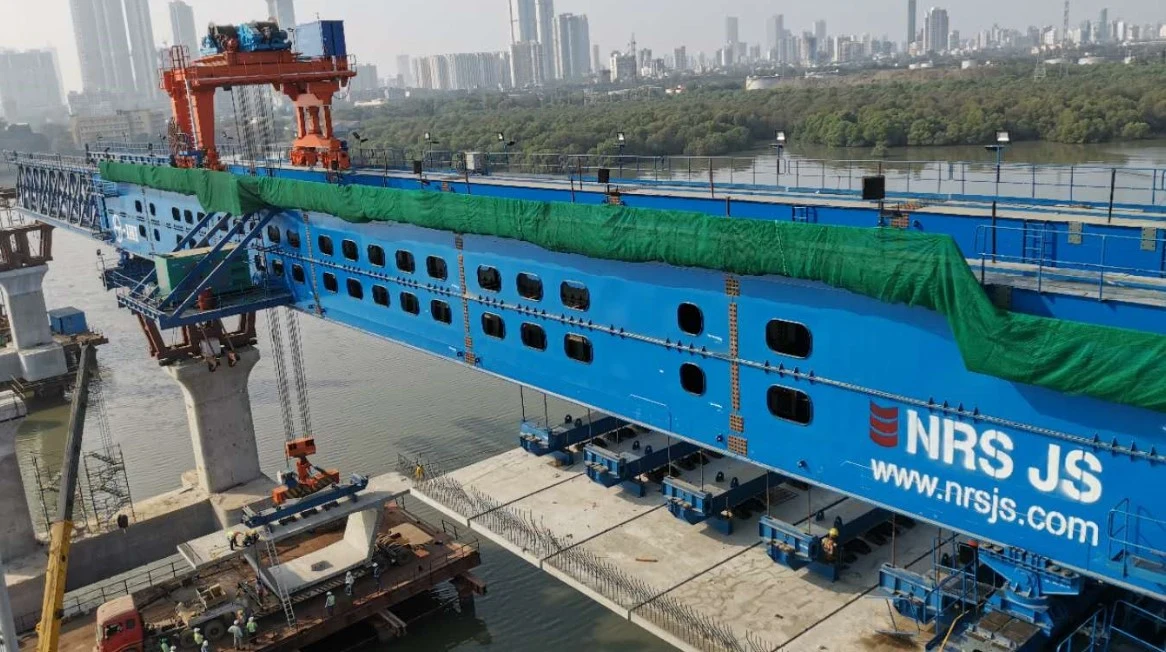
Mobile gantries and segment launchers: Critical for erecting large bridge segments over rivers or uneven terrain, ensuring proper balance and tension in cable-stayed and suspension bridges.
-
Transport vehicles and specialized trailers: Carry heavy segments, materials, and pre-assembled components to construction sites efficiently.
By combining these machines effectively, construction teams can tackle even the most challenging bridge projects while adhering to tight timelines and safety standards.
Example Table: Bridge Construction Equipment and Applications
| Equipment Type | Function | Typical Load Capacity | Application |
|---|---|---|---|
| Heavy-duty Crane | Lifting beams and girders | 100–500 tons | Steel bridges, long-span bridges |
| Pile Driver | Foundation installation | 50–200 tons/pile | Pier and abutment support |
| Concrete Pump | Deck and slab placement | 50–120 m³/hr | Roadway, pedestrian bridges |
| Deck-laying Machine | Formwork and assembly | N/A (automated) | Beam and slab bridges |
| Mobile Gantry | Segment assembly and launch | 200–400 tons | Cable-stayed and suspension bridges |
| Specialized Transport | Material and pre-assembled segment delivery | 50–300 tons | All bridge types |
This table highlights the diversity and specialized functions of modern Bridge Construction Machinery, illustrating how different tools are coordinated to achieve complex construction objectives.
Efficiency and Precision in Bridge Construction
One of the main reasons Bridge Construction Equipment is indispensable is its ability to improve both efficiency and precision. Traditional manual methods require extensive labor and time, often resulting in inconsistent outcomes. Advanced machinery addresses these limitations:
-
Load handling efficiency: Heavy lifting equipment moves large components faster and more safely than manual alternatives. For example, modern tower cranes can position steel girders weighing over 200 tons with millimeter accuracy.
-
Precision alignment: Automated controls and laser-guided systems ensure that bridge segments are perfectly aligned, reducing the need for on-site adjustments.
-
High-volume concrete placement: Automated pumps and mixers allow continuous pouring of concrete, minimizing cold joints and improving structural integrity.
-
Reduced downtime: Integrated monitoring systems detect wear, misalignment, or overload in real time, preventing costly equipment failures.
Efficient operation also reduces labor costs and shortens construction schedules. A bridge that might have taken 18 months to complete manually can often be finished several months earlier with well-coordinated machinery.
Applications Across Different Bridge Types
Bridge construction equipment is adapted to meet the specific demands of various bridge designs. Understanding these applications ensures optimal equipment selection:
-
Beam bridges: Require repeated lifting and placement of beams using cranes and deck-laying machines. Efficiency depends on the synchronized operation of lifting and positioning equipment.
-
Cable-stayed bridges: Mobile gantries and segment launchers are used to place large deck segments while maintaining cable tension. Precision is critical to avoid structural imbalances.
-
Suspension bridges: Involve high-elevation assembly of cables and deck segments. Equipment must provide stability, reach, and precise load distribution.
-
Arch bridges: Segmental construction uses cranes in combination with specialized lifting jigs to position arch components accurately.
By matching equipment capabilities to bridge types, project managers can optimize performance, ensure safety, and maintain structural quality.
Safety Considerations in Bridge Construction
Bridge construction carries inherent risks due to high elevations, heavy materials, and complex assemblies. Equipment-related safety measures are critical:
-
Load monitoring systems: Sensors and software prevent overloading, reducing the risk of collapse or tipping.
-
Stability checks and secure footing: Cranes and gantries are positioned on stable surfaces with proper anchoring to prevent accidents.
-
Operator training: Skilled operators reduce human error and improve response to unexpected challenges.
-
Emergency protocols: Equipment must have fail-safe systems, alarms, and evacuation procedures for personnel safety.
Implementing comprehensive safety measures ensures that both workers and structures are protected during critical phases of construction.
Maintenance, Reliability, and Operational Lifespan
Long-term reliability of bridge construction equipment is vital for large-scale projects:
-
Routine inspections: Regular checks of hydraulics, electronics, and mechanical components prevent unexpected downtime.
-
Component replacement: Bearings, cables, and moving parts are replaced according to manufacturer guidelines to maintain performance.
-
Operator awareness: Proper usage and adherence to operational limits extend equipment lifespan.
-
Environmental protection: Equipment exposed to harsh weather or saltwater requires corrosion-resistant coatings and additional maintenance routines.
High reliability minimizes delays, reduces repair costs, and ensures consistent quality throughout construction projects.
Optimizing Project Management Through Equipment
Effective project management leverages Bridge Construction Equipment to achieve timelines and cost targets:
-
Coordinating machinery sequences: Ensures cranes, concrete pumps, and deck-laying machines operate without idle time.
-
Digital integration: Project management software tracks equipment usage, maintenance schedules, and load capacities.
-
Resource allocation: Selecting the right machine for each phase prevents bottlenecks and maximizes efficiency.
-
Predictive maintenance: Monitoring machine health in real time allows preemptive repairs, reducing unplanned downtime.
Successful management of equipment directly influences project cost, speed, and overall quality.
Bridging Innovation with Practical Application
Modern Bridge Construction Equipment continues to evolve, integrating automation, energy efficiency, and smart monitoring:
-
Automation: Reduces manual labor in repetitive tasks like segment placement and concrete pouring.
-
IoT-enabled monitoring: Real-time performance data allows predictive maintenance and operational adjustments.
-
Hybrid and electric solutions: Reduce fuel consumption and emissions while supporting eco-friendly projects.
-
Modular, reconfigurable systems: Adaptable machines handle multiple bridge types and designs, enhancing investment efficiency.
These advancements demonstrate how practical machinery applications shape infrastructure development, delivering bridges that are safer, faster to build, and more durable for future generations.
As bridge projects continue to grow in scale and technical ambition, the role of construction equipment becomes less about individual machines and more about how those machines integrate into a wider system. Equipment decisions influence timelines, safety margins, labor coordination, and even design feasibility long before concrete is poured or steel is lifted into place. In that sense, bridge construction equipment is no longer just a support tool for engineering plans; it actively shapes what kinds of bridges can be built efficiently, safely, and at scale. Projects that treat equipment planning as an early-stage strategic decision consistently gain more flexibility when conditions change on site.
Looking ahead, the future of bridge construction will be defined by adaptability rather than sheer capacity. Equipment that can respond to complex terrains, tighter environmental regulations, and increasingly compressed schedules will determine which contractors remain competitive. As automation, data integration, and modular construction methods continue to mature, bridge construction equipment will quietly set the limits—and possibilities—of modern infrastructure. The bridges people admire years from now will not only reflect architectural vision and engineering skill, but also the unseen decisions made about the machines that made those structures possible.