


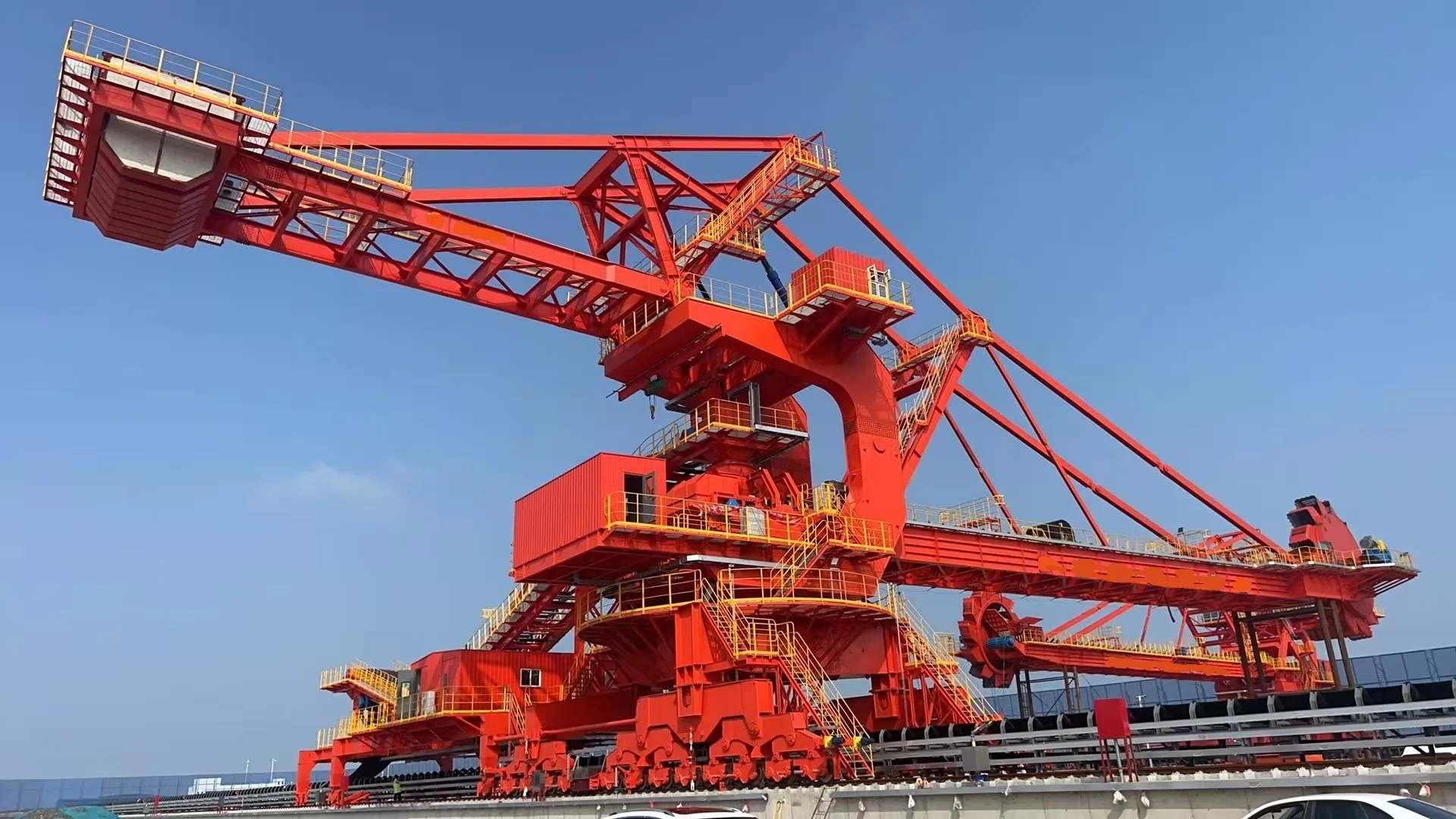

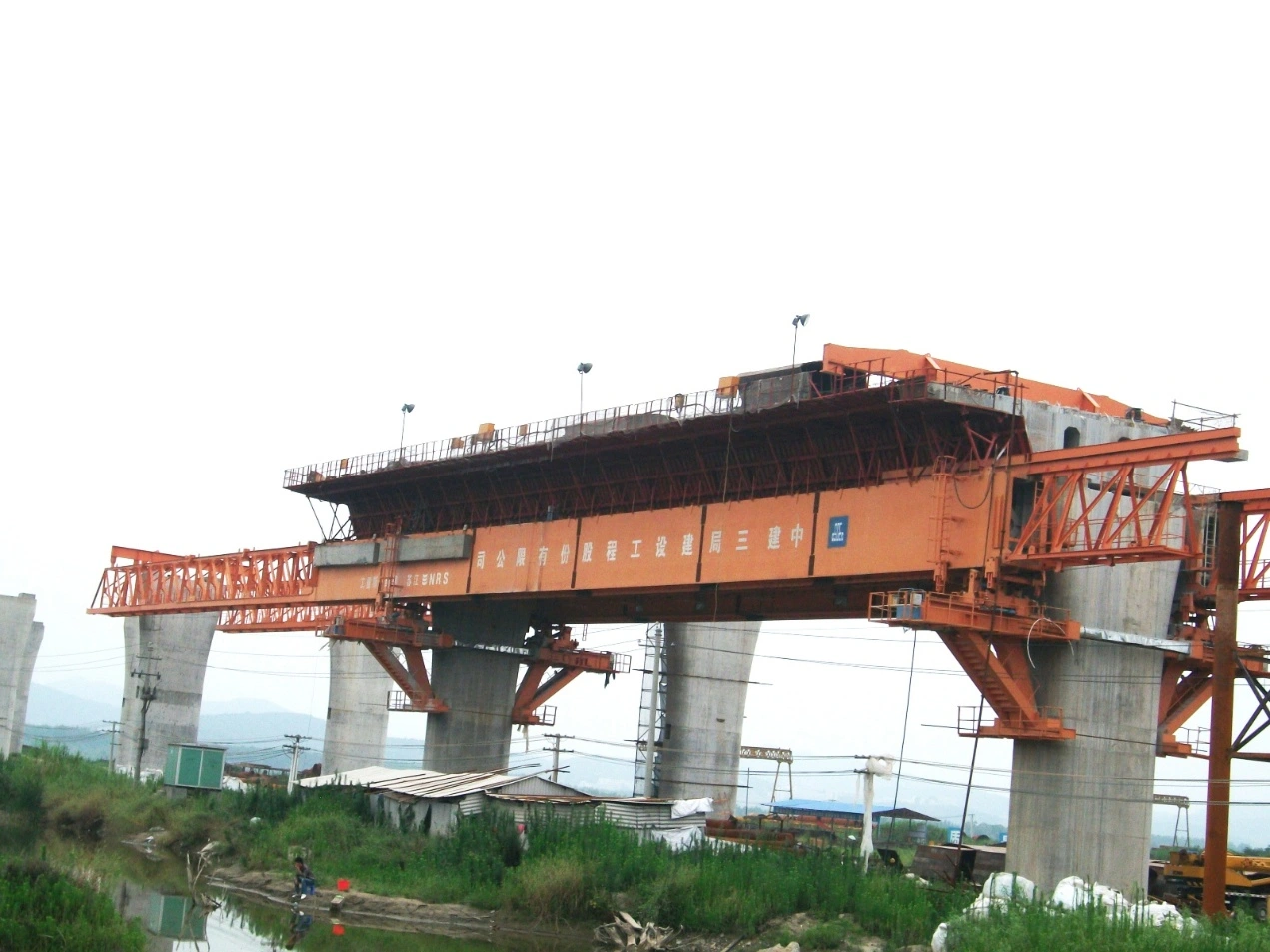

Balanced cantilever bridge construction is a choreography of weight, geometry, and timing. Each precast segment must be lifted, positioned, aligned, and locked into place with precision, while the structure extends outward from the pier in carefully controlled equilibrium. In this method, gravity is not just a force to overcome; it is a factor to manage strategically. The equipment chosen to handle each segment becomes part of the structural logic of the bridge itself.
Within this system, the Segment Lifter is not simply a lifting device. It is a mobile erection platform, a positioning mechanism, and a workflow regulator. Selecting the right Segmentheiser for precast segmental bridge construction is therefore not a matter of preference. It is a technical decision shaped by span configuration, site access, headroom restrictions, segment weight, and project timeline. The wrong choice introduces inefficiencies and safety risks. The right choice integrates seamlessly into the erection sequence and enhances overall productivity.
The Role of the Segment Lifter in Balanced Cantilever Construction
Precast segmental bridges are typically constructed using the balanced cantilever method. Segments are erected symmetrically on either side of a pier, maintaining structural balance as the cantilever extends. Each segment must be transported from the delivery point to the cantilever tip, lifted into position, aligned precisely, and temporarily supported before post-tensioning secures it permanently.
Traditional cranes can perform lifting, but they struggle with the repetitive, controlled, and high-precision requirements of segmental erection at height. A Segment Lifter, by contrast, operates directly on or alongside the bridge deck. It advances incrementally as the structure grows. It becomes an integral part of the erection cycle.
In this context, the Segment Lifter must accomplish several functions simultaneously:
-
Lift heavy precast segments safely and repeatedly
-
Transport segments along the deck or from delivery points
-
Provide fine positional adjustment for shear key engagement
-
Advance in synchronization with the cantilever extension
-
Operate within site-specific spatial constraints
The equipment, therefore, acts as both a lifting mechanism and a construction enabler.
Evaluating Site Conditions Before Selecting a Segment Lifter
No Segment Lifter type is universally optimal. The correct choice begins with an honest evaluation of site constraints.
Bridge span length directly influences segment weight and erection height. Longer spans often require larger segments, increasing lifting demands. Pier height determines vertical travel and exposure to wind loads. Urban environments may restrict overhead clearance. Remote sites may limit delivery access to only one side of the structure.
Critical selection factors typically include:
-
Span length and individual segment weight
-
Height above ground and wind exposure
-
Available headroom under existing structures
-
Delivery access from one or both cantilever ends
-
Construction schedule and required cycle time
For example, a viaduct crossing a dense urban roadway may impose strict headroom limitations. A mountainous site might restrict crane access entirely, making deck-mounted mobility essential. Understanding these constraints frames the selection process.
Frame Type Segment Lifter: Lightweight and Efficient
The Frame Type Segment Lifter is widely recognized for its relatively low structural weight and operational simplicity. Typically skid-mounted, this configuration travels forward using hydraulic rams. The lifting mechanism may employ electric winches or hydraulic systems, depending on project requirements.
Because of its lighter structural mass compared to other configurations, the Frame Type Lifter reduces deck loading during operation. Its hydraulic launching system enables straightforward forward movement as each segment pair is installed. The launching sequence is typically fast, reducing downtime between erection cycles.
This type performs particularly well in standard span applications where headroom is sufficient, and deck conditions allow skid-based advancement. The mechanical simplicity of the launching system reduces maintenance complexity and allows operators to complete launching operations quickly.
However, while efficient, the Frame Type configuration is best suited for environments where mobility demands are predictable and delivery access is relatively straightforward. Complex or highly constrained sites may require additional flexibility.
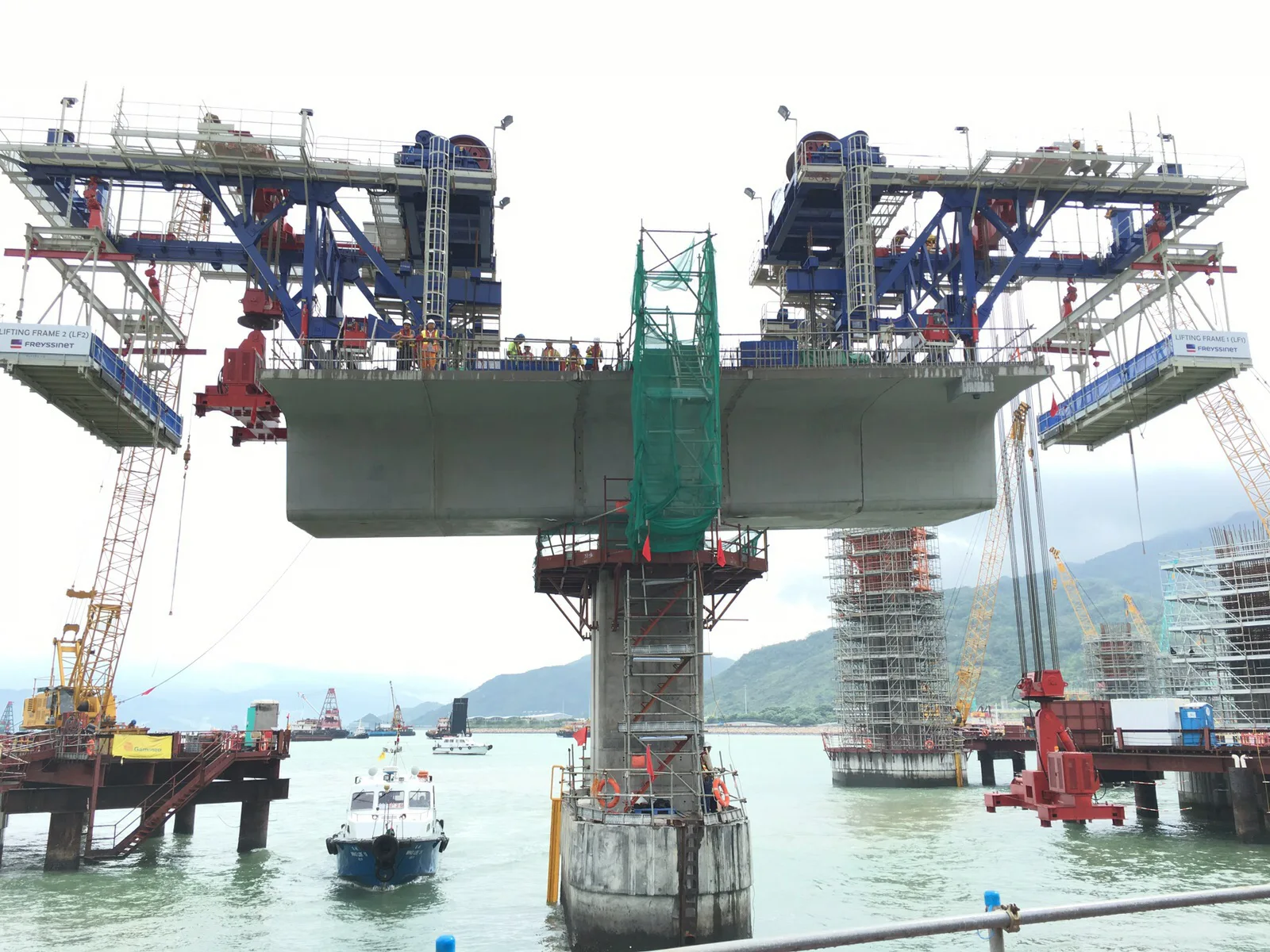
Wheel-Mounted Segment Lifter: Flexibility in Restricted Access Environments
When project conditions demand greater mobility, the Wheel-Mounted Segment Lifter provides enhanced adaptability. This configuration may operate on steel wheels along temporary rail tracks or be equipped with rubber tyres for deck-level mobility without rail infrastructure.
In steel wheel configurations, temporary rails are installed along the bridge deck. As each pair of segments is erected, the rail track extends forward. This system allows the Segment Lifter to collect segments from one cantilever end or from both ends, depending on site logistics. Such flexibility is particularly valuable in projects where delivery access is limited to a single pier location.
Rubber-tyred systems eliminate the need for temporary rails. This reduces temporary works and simplifies site preparation. The rubber tyres provide increased maneuverability, especially on decks with geometric complexity or constrained working areas.
The wheel-mounted configuration offers several operational advantages:
-
Flexible segment collection from one or both cantilever ends
-
Reduced dependency on large ground-based cranes
-
Continuous forward workflow through extendable rail systems
-
Enhanced maneuverability when equipped with rubber tyres
In projects where segments must be delivered to the pier and transferred by crane to the lifter, the system’s slewing lower block allows 360-degree rotation. This capability enables precise orientation before final placement at the cantilever tip.
Such mobility makes the Wheel-Mounted Segment Lifter especially suitable for urban viaducts and projects with restricted ground access.
Girder Type Segment Lifter: Operating Within Tight Headroom
Urban construction often presents a unique challenge: limited vertical clearance. Overpasses, existing infrastructure, and adjacent buildings may restrict the vertical envelope available for erection equipment.
The Girder Type Segment Lifter addresses this constraint. Its compact structural profile allows it to operate in environments with tight headroom. While the lifting and launching systems mirror those of the Frame Type configuration, the overall structural geometry is optimized for reduced vertical height.
In dense urban corridors, this design allows erection activities to proceed without interfering with overhead structures. The ability to function effectively within confined vertical spaces significantly expands the range of feasible construction scenarios.
The Girder Type lifter demonstrates how equipment configuration must adapt to spatial limitations rather than forcing site modifications.
Precision Positioning and Shear Key Engagement
Lifting capacity alone does not define Segment Lifter performance. Precision alignment is equally critical. Precast segments rely on shear keys and match-cast surfaces for structural integrity. Even minor misalignment can create installation delays or compromise structural continuity.
All major Segment Lifter types incorporate crossfall and longitudinal adjustment systems. Crossfall adjustment allows lateral tilt correction, ensuring segments align properly across the deck width. Longitudinal adjustment permits forward and backward fine-tuning to engage shear keys smoothly.
The lower block’s slewing mechanism adds rotational control. With 360-degree rotation capability, segments can be oriented precisely before final positioning. This reduces reliance on manual correction and improves safety by minimizing worker intervention near suspended loads.
The engineering emphasis shifts from brute force lifting to controlled placement accuracy.
Launching Systems and Workflow Efficiency
Launching efficiency directly influences construction schedule performance. Hydraulic launching systems enable the Segment Lifter to advance incrementally after each erection cycle. The simplicity of hydraulic rams reduces mechanical complexity and allows consistent forward progression.
A well-designed launching sequence minimizes idle time between segment installations. By synchronizing lifting, positioning, and launching, project teams maintain a predictable erection rhythm. This consistency supports schedule planning and resource allocation.
Wireless remote control systems further enhance operational control. Operators can manage lifting and positioning from safe vantage points, improving situational awareness. Manual backup systems provide redundancy, ensuring continued operation in case of electronic malfunction.
Comparative Overview of Segment Lifter Configurations
| Feature | Frame Type | Wheel Mounted | Girder Type |
|---|---|---|---|
| Structural Weight | Lightest | Moderate | Moderate |
| Mobility | Skid-mounted | Rail or Rubber Tyre | Compact configuration |
| Headroom Requirement | Standard | Standard | Low |
| Access Flexibility | Moderate | High | Moderate |
| Ideal Application | Conventional spans | Restricted access sites | Urban tight clearance |
This comparison highlights that no single configuration dominates across all criteria. Selection depends on matching equipment characteristics to project demands.
Safety and Redundancy in Segment Lifter Design
Segmental bridge construction involves lifting heavy precast elements at significant heights. Safety considerations, therefore, drive equipment design.
Redundant lifting systems reduce the risk of load instability. Load monitoring systems track weight distribution and prevent overload conditions. Crossfall and longitudinal adjustments reduce manual intervention during alignment.
Wireless control enhances operator distance from suspended loads, improving safety margins. Manual backup ensures operational continuity during unexpected technical issues.
Safety integration transforms the Segment Lifter from a mechanical device into a controlled construction system.
Long-Term Project Considerations
Segment Lifters often represent substantial capital investment. For contractors managing multiple projects, reusability and adaptability become critical. Modular designs facilitate transportation and reconfiguration for different span geometries.
Lifecycle considerations include maintenance requirements, ease of assembly and disassembly, and compatibility with other gantry or lifting systems. Equipment that integrates seamlessly into broader precast erection workflows enhances overall operational efficiency.
Selecting a Segment Lifter, therefore, involves evaluating not only immediate project needs but also long-term strategic deployment.
Segment Lifter as a Strategic Construction Asset
In precast segmental bridge construction, equipment decisions shape execution quality. The Segment Lifter determines how efficiently segments move from delivery to final placement. It influences safety conditions, erection speed, and logistical flexibility.
Frame Type configurations prioritize lightweight simplicity. Wheel-mounted systems emphasize mobility and adaptability. Girder-type lifters address vertical constraints in urban environments. Each configuration responds to a different set of engineering challenges.
Choosing the right Segment Lifter is ultimately about alignment between site conditions, structural design, and construction methodology. When properly selected and integrated, the Segment Lifter becomes more than a lifting tool. It becomes a strategic asset that enables precision, safety, and efficiency in modern bridge construction.